
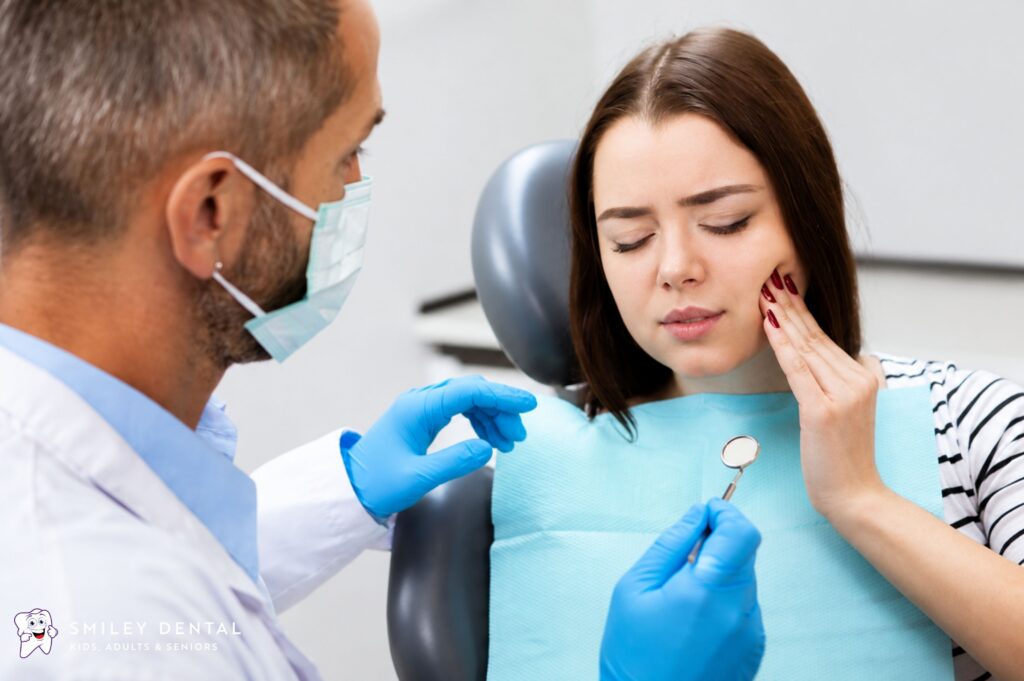
A root canal is generally performed under local anesthesia, so most patients do not feel significant pain during the procedure itself. The discomfort people associate with root canals usually comes from the infection or damage in the tooth beforehand, not from the treatment that resolves it. If you’re considering root canal treatment in Roslindale or the greater Boston area, this guide covers pain expectations, the procedure itself, and what recovery typically looks like.
Quick answer: A root canal is generally performed under local anesthesia, so most patients do not feel significant pain during the procedure itself. Some soreness or sensitivity is common for a few days afterward as the area heals. Recovery time varies, and following your dentist’s aftercare instructions can help manage discomfort and support healing.
How Painful Is a Root Canal on a Scale of 1 to 10?
Pain during the actual procedure is generally low, since local anesthesia numbs the area being treated. Many patients describe the procedure itself as similar in discomfort to getting a filling, rather than the highly painful experience its reputation suggests.
The “root canal is painful” reputation largely comes from the fact that people usually seek treatment because of an infected or inflamed tooth, and that pre-treatment pain can be intense. Once the infected pulp is removed, much of that pressure is relieved rather than added to. Mild soreness afterward is common as tissue heals, but individual pain perception varies, so the pain people fear is often the untreated infection itself, not the treatment.
What Happens During a Root Canal Procedure?
A root canal generally follows this sequence, though the exact timeline depends on the tooth and case complexity:
- Exam and X-rays – a dental exam evaluates the tooth and bone to confirm treatment is appropriate.
- Local anesthesia – numbs the area before work begins.
- Dental dam placement – isolates the tooth to keep it clean and dry.
- Accessing and cleaning – a small opening is made and infected pulp is removed.
- Shaping and filling – canals are cleaned, shaped, and filled with a biocompatible material.
- Sealing and restoration – often a temporary filling first, then a permanent restoration later.
Some cases finish in one visit; others need a follow-up depending on the tooth’s anatomy or infection extent. Your dentist can walk you through what to expect for your case.
What Should You Not Do Before a Root Canal?
Avoid alcohol before your appointment if sedation or certain medications will be used, and don’t skip a normal meal beforehand unless told otherwise, since numbness afterward can make eating difficult. Also avoid smoking close to your appointment time when possible, tell the office about current medications and health conditions, skip any pain medication your dentist hasn’t approved, and write down questions in advance. Instructions can vary by patient, so confirm specifics directly with your dental office.
How Should You Prepare for a Root Canal Appointment?
- Confirm your insurance and expected costs, and ask how many appointments your case may need
- Arrange for rest afterward if advised, and eat a normal meal beforehand if instructed to
- Wear comfortable clothing and bring a list of current medications
- Ask about anesthesia or sedation options, and plan transportation in advance if sedation is used
Do’s and Don’ts After Root Canal Treatment
Do:
- Take any prescribed or recommended medication as directed.
- Apply a cold compress if swelling occurs.
- Stick to soft foods until numbness wears off.
- Practice gentle oral hygiene around the treated area.
- Attend follow-up appointments for a permanent restoration.
- Contact the dental office if pain worsens instead of improving.
Don’t:
- Chew on the treated tooth until it’s fully restored.
- Eat hard, sticky, or crunchy foods right away.
- Smoke during the initial healing period.
- Skip the follow-up visit for your permanent crown or filling.
- Ignore worsening pain, swelling, or fever, which may call for emergency dental care.
How Many Days of Rest Are Needed After a Root Canal?
Most patients return to normal activities within a day or two, though this varies by individual, procedure complexity, and whether sedation was used. Many go back to work or school the next day, while others prefer more downtime, especially after multiple canals are treated. It’s reasonable to avoid strenuous activity briefly if advised. Mild soreness in the first day or two is common, but pain that rapidly worsens, or comes with swelling or fever, is a reason to call your dentist rather than wait it out; our guide on emergency root canal or extraction signs covers warning signs worth knowing.
How Long Does It Take to Recover From a Root Canal?
Initial soreness often improves within a few days, while complete healing of the surrounding bone and tissue can take weeks to months. Placing a permanent crown or filling is an important final step. Healing time depends on factors like the severity of the original infection and individual healing patterns, so keeping your follow-up appointment helps confirm things are on track.
Root Canal vs. Extraction: Which Is Better?
A root canal preserves your natural tooth, typically supporting better long-term function and appearance without needing a bridge or implant, though it often requires a crown afterward. Extraction removes the infection source immediately but usually requires a replacement tooth to restore function and prevent shifting, adding its own cost and healing time. The right choice depends on the specific tooth and your oral health, as determined by a dentist.
Will You Need a Crown After a Root Canal?
A treated tooth often needs a crown or other restoration afterward, especially for back teeth handling heavier chewing forces. Once the pulp is removed, a tooth can become more brittle and prone to fracture, and dental crowns and bridges help protect it and restore full function. Not every case needs a crown; front teeth or cases with more remaining structure may only need a simpler filling. Your dentist can advise based on the tooth’s condition after treatment.
How Much Does a Root Canal Cost in Boston?
Cost varies depending on the tooth, case complexity, whether a specialist is needed, and whether a crown is required afterward. Ask your dental office about exam and X-ray costs, the procedure fee, restoration costs, insurance coverage, and patient financing if available.
Does Dental Insurance Cover Root Canal Treatment?
Many plans provide some coverage for root canal treatment as a basic or major restorative service, but details vary, including deductibles, annual maximums, coinsurance, and waiting periods. It’s worth verifying your specific dental insurance benefits before treatment rather than assuming a set amount is covered.
What Should Roslindale and Boston Patients Consider Before Root Canal Treatment?
Patients across Roslindale, Boston, and nearby areas like Hyde Park, Mattapan, Dorchester, West Roxbury, and Jamaica Plain often weigh office location, appointment availability for urgent cases (see our same-day emergency dentist Roslindale guide for urgent-care options), whether the practice treats their specific tooth or refers to a specialist, insurance participation and cost, and follow-up care for the permanent restoration.
Smiley Dental Boston works with patients throughout Roslindale and greater Boston on root canal treatment, from evaluation through the permanent restoration, though the right approach for any tooth is something a dentist can only determine after an exam.
Root Canal Process Comparison Table
| Treatment Stage | What Happens | Why It Matters |
| Exam and X-rays | The tooth and surrounding bone are evaluated | Confirms whether root canal treatment is appropriate |
| Anesthesia | The area is numbed | Helps keep the procedure comfortable |
| Access and cleaning | The infected or damaged pulp is removed | Addresses the source of pain or infection |
| Shaping and filling | Canals are cleaned, shaped, and filled | Seals the tooth from further infection |
| Temporary restoration | A temporary filling may be placed | Protects the tooth between visits |
| Permanent restoration | A crown or filling is placed | Restores function and protects the tooth long term |
Recovery Timeline Table
| Time After Treatment | What’s Common | What to Watch For |
| First 24 to 48 hours | Numbness, mild soreness, tenderness while chewing | Pain that rapidly worsens or fever |
| First week | Soreness gradually improving, returning to normal activities | Swelling that increases instead of decreasing |
| Several weeks | Continued healing of tissue around the tooth | Persistent pain or looseness of the tooth |
| Follow-up visit | Placement of permanent crown or restoration | Delayed or skipped follow-up care |
Frequently Asked Questions
Both are typically performed under local anesthesia, so pain is generally well managed either way. Some patients report slightly more soreness after an extraction due to the open socket left behind, though experiences vary by case.
A root canal typically takes one to two hours per visit, depending on the tooth and number of canals. Some cases finish in one appointment; others need a follow-up.
If only local anesthesia is used, most patients can drive themselves home. If sedation is involved, arrange a driver in advance.
Avoid hard, sticky, or crunchy foods until the tooth is fully restored, and stick to soft foods until numbness wears off, to avoid biting your cheek or damaging a temporary filling.
Mild soreness that gradually improves over several days is a normal part of healing. If pain worsens instead, or you notice swelling or fever, contact your dental office for evaluation.
In some cases, a treated tooth can become reinfected or fail to heal as expected, requiring retreatment. This is uncommon, and follow-up visits help catch issues early.
Wait until numbness fully wears off before eating. Many patients start with soft foods on treatment day and return to a normal diet as comfort allows.
Mild soreness in the days following treatment is common as the area heals. Pain that is severe, worsening, or comes with swelling or fever is not typical and should be evaluated by your dental office.
Final Thoughts
A root canal’s reputation for pain often doesn’t match the reality of the procedure. With local anesthesia managing discomfort during treatment, most patients find it far more tolerable than expected, with real pain more often tied to the infection that made treatment necessary in the first place. Preparing beforehand and following aftercare guidance both support a smoother recovery, and a crown is often needed afterward to protect the tooth long term. Recovery time, restoration needs, and cost depend on the individual case, which is why confirming details directly with your dental office matters.
If you’re in Roslindale, Boston, or a nearby neighborhood and have questions about root canal symptoms, treatment options, or scheduling, contact Smiley Dental Boston today to book an appointment and discuss the best path forward for your tooth.