
Quick Answer
The clearest signs you need an emergency root canal or extraction are severe tooth pain, swelling, lingering sensitivity, or a bad taste that will not go away. A root canal can often save the tooth if the infection is caught early. Extraction becomes necessary when the tooth is too damaged or infected to repair. Acting fast protects your health and usually saves you money. A dentist in Roslindale can confirm the right option after a same-day exam.
Tooth pain rarely gets better on its own. It usually means something is happening inside the tooth or around the root, and waiting can turn a simple fix into a much bigger problem.
This guide walks through the warning signs, how dentists decide between saving a tooth and removing it, and what to expect from each treatment, in plain language with real 2026 guidance.
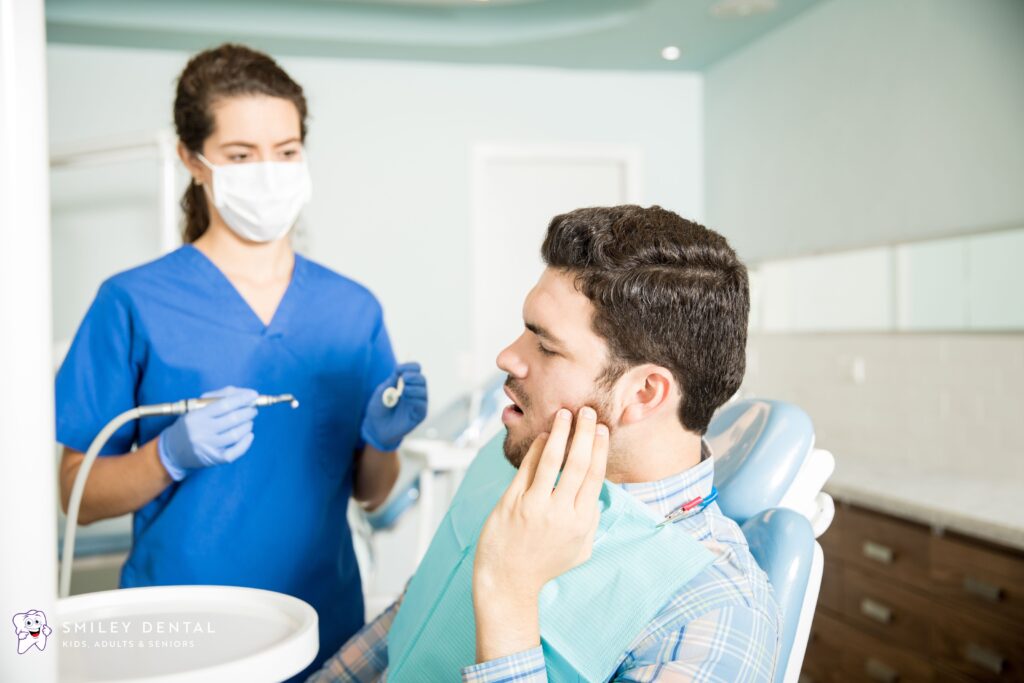
What Causes a Tooth to Need Emergency Treatment?
Several problems can push a tooth from “needs attention soon” to “needs help today.” Common causes include:
- Deep cavities that reach the nerve and pulp
- Dental infections that spread inside the tooth or jawbone
- Tooth abscess, a painful pocket of infection at the root tip or gumline
- Cracked or broken teeth that expose the inner nerve
- Trauma or accidents, such as a fall or sports injury
- Advanced gum disease that breaks down the supporting bone
- Failed dental restorations, like an old filling or crown that has cracked
Any of these issues can let bacteria reach the soft tissue inside your tooth. Once that happens, pain often becomes constant, and the clock starts ticking on how long the tooth can be saved.
Common Signs You May Need an Emergency Root Canal
A root canal treats the infected or damaged nerve inside a tooth while leaving the outer structure in place. Watch for these signs of tooth nerve infection:
- Severe tooth pain that is sharp, throbbing, or constant, often worse at night
- Lingering sensitivity to hot or cold that lasts 30 seconds or longer
- Pain when chewing, which means the infection has likely reached the root tip
- Swollen gums around the tooth, often a sign an abscess is forming
- Tooth discoloration, a gray or dark tooth usually means the nerve has died
- A pimple on the gums that may drain pus on and off
- Bad taste or drainage coming from one area of your mouth
Takeaway
If your pain centers on one tooth and includes sensitivity, swelling, or discoloration, an emergency root canal can often relieve the pain and save the tooth.
Signs a Tooth May Need Emergency Extraction
Sometimes the damage or infection is too advanced for a root canal to work. Extraction becomes the safer choice when:
- The tooth cannot be restored, too little natural structure remains
- There is a severe fracture below the gumline that cannot be sealed or crowned
- Advanced infection has destroyed the supporting bone
- The tooth is loose from gum disease and has lost most of its bone support
- The tooth is impacted or badly positioned, especially wisdom teeth
- Extensive decay has destroyed most of the tooth
- A previous root canal has failed and the tooth is reinfected
Root Canal vs Tooth Extraction
Emergency Root Canal
Recommended when the tooth’s outer structure is still solid but the inner nerve is infected or inflamed. Benefits include keeping your natural tooth, preserving your bite and jaw alignment, and avoiding the extra cost of replacement. The dentist numbs the area, removes the infected pulp, cleans the canals, and seals the tooth. Most back teeth need a crown afterward for strength; front teeth sometimes only need a filling. Mild soreness for a few days is normal, and a well-performed root canal can last many years. Learn more on our root canal treatment page.
Emergency Tooth Extraction
Recommended when a tooth cannot realistically be saved. Removing a severely damaged or infected tooth stops the spread of infection and relieves pain right away. Our team performs gentle simple surgical extractions with your comfort as the top priority. Most patients heal within a week. Afterward, many patients choose a dental implant, bridge, or denture to restore chewing function and prevent nearby teeth from shifting.
Which Treatment Is Better?
There is no single answer that fits every patient. Here is how the two options compare:
| Factor | Root Canal | Extraction |
|---|---|---|
| Saving the natural tooth | Preserves the natural tooth | Tooth is removed |
| Recovery time | A few days of mild soreness | About one to two weeks |
| Cost considerations | Often less than extraction plus replacement | Lower upfront, but replacement adds cost later |
| Long-term oral health | Maintains bite and jawbone stimulation | May need a bridge or implant to stop shifting |
| Future treatments | May need a crown afterward | May need an implant, bridge, or denture |
In most cases, saving the natural tooth with a root canal is preferred whenever the tooth structure allows it. Extraction is reserved for teeth too damaged, infected, or unstable to save.
When Should You See an Emergency Dentist Immediately?
Some symptoms mean you should not wait for a regular appointment.
Seek Immediate Dental Care If You Experience These Symptoms
✓ Facial swelling, especially if it is spreading
✓ Fever along with tooth pain
✓ Difficulty breathing or swallowing
✓ Severe, uncontrolled pain
✓ Pus or a visible abscess near a tooth
✓ Uncontrolled bleeding from the mouth
If you have a knocked-out tooth, read our guide on what to do when a tooth gets knocked out for step-by-step first aid.
What Happens If You Delay Treatment?
Putting off treatment for an infected or damaged tooth rarely makes the problem go away.
- Infection spreads from the tooth into the jawbone, sinuses, or bloodstream
- Bone loss occurs as infection destroys the bone supporting your teeth
- Pain increases from mild sensitivity to constant, severe pain
- The tooth becomes non-restorable, turning a root canal case into an extraction
- Treatment costs rise as emergency infections need more extensive care
The American Dental Association notes that prompt treatment of dental infections helps protect your overall health, not just your smile.
How Dentists Decide Between a Root Canal and Extraction
- Digital X-rays show the extent of decay, infection, and bone involvement
- Tooth structure determines whether enough healthy tooth remains for a crown
- Infection severity helps predict whether a root canal can fully clear it
- Gum health around the tooth affects long-term stability
- Bone support must be adequate to keep the tooth functional
- Patient preferences and budget are always part of the conversation
Recovery Tips After Emergency Dental Treatment
- Pain management: take medication as directed and use ice for swelling in the first 24 hours
- Oral hygiene: brush gently and avoid the treated area for the first day
- Foods to eat: soup, mashed potatoes, and scrambled eggs for the first few days
- Foods to avoid: hard, crunchy, or sticky foods and hot beverages until healed
- Follow-up visits: attend any scheduled visit so healing can be confirmed
Signs You Need Emergency Dental Care
Use this checklist to decide if you should call us right away.
✓ Severe or throbbing tooth pain
✓ Swollen gums or facial swelling
✓ A tooth that is cracked, broken, or knocked out
✓ Pus, drainage, or a bad taste near one tooth
✓ Fever along with tooth pain
✓ Pain that keeps you up at night
✓ A lost filling or crown causing sharp pain
✓ Difficulty opening your mouth fully
How to Protect a Tooth Until Your Emergency Appointment
✓ Rinse gently with warm salt water
✓ Take an over-the-counter pain reliever as directed
✓ Apply a cold compress to the outside of your cheek
✓ Avoid chewing on the affected side
✓ Do not apply aspirin directly to the gum or tooth
✓ Save any broken tooth pieces in a clean container
✓ Call our office right away for a same-day slot
Why Choose Smiley Dental Boston?
Our Roslindale office offers same-day emergency appointments for patients dealing with severe pain, swelling, or a broken tooth. We use modern diagnostic technology, including digital X-rays, to quickly identify the source of your pain and recommend the right treatment, from root canal therapy to tooth trauma care.
We proudly serve Roslindale, West Roxbury, Jamaica Plain, Hyde Park, Mattapan, and Dorchester. If you want a broader look at when to seek care, read our post on common signs of a dental emergency.
The Bottom Line
Catching the signs of an infected or damaged tooth early gives you more options and usually costs less than waiting until the problem becomes an emergency. Whatever your tooth needs, choosing the right treatment now protects your long-term oral health and helps you avoid bigger problems down the road.
The best next step is a quick exam. Contact Smiley Dental Boston to schedule a consultation and get an honest recommendation for your tooth. Call 857-888-8000 or book online.
Dealing with tooth pain? Let’s find out if it can be saved.
Book a visit at Smiley Dental Boston for fast, same-day emergency evaluations. Call 857-888-8000 or request an appointment online. Find us at 950 American Legion Hwy, Roslindale. New patients are always welcome.
Frequently Asked Questions
Everything you need to know about emergency root canals and tooth extractions.