
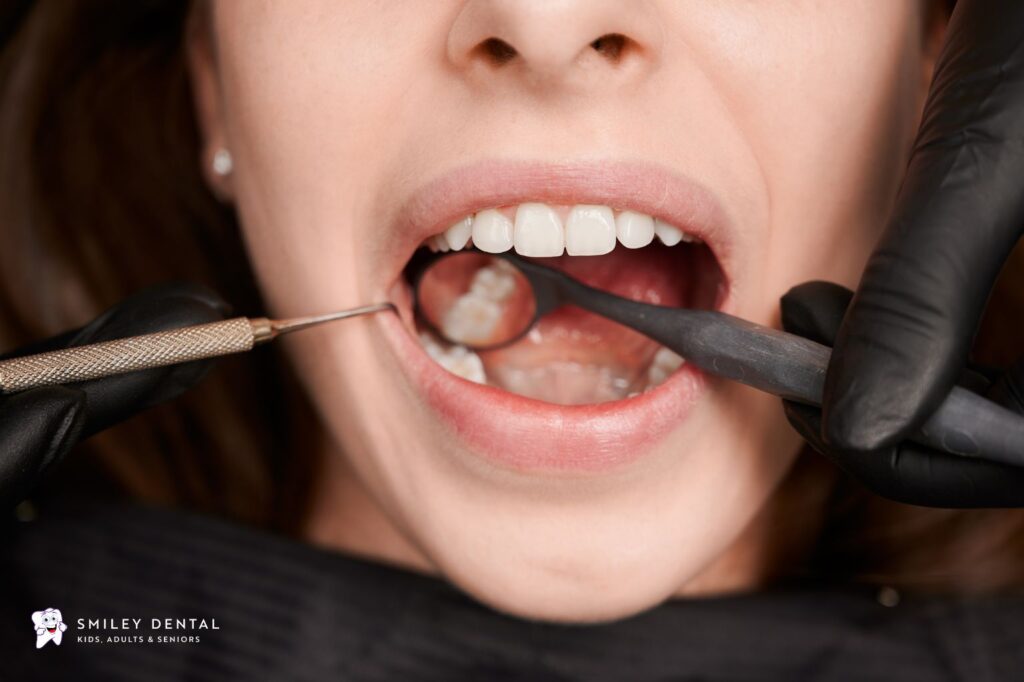
Wisdom tooth extraction in Boston can vary in cost depending on how many teeth need to be removed, whether they are impacted, the type of extraction required, anesthesia, imaging, and other factors. Recovery also varies, but many patients experience the most swelling and discomfort during the first few days. Knowing what the procedure involves, what recovery may look like, and when to seek help can make the process easier to prepare for.
Quick Answer: Wisdom tooth extraction costs vary based on the number and position of the teeth, whether extraction is simple or surgical, anesthesia, imaging, and other treatment factors. Recovery often takes several days, although complete healing can take longer. Following your dentist’s aftercare instructions, eating appropriate foods, avoiding activities that can disturb the extraction site, and watching for worsening symptoms can support recovery.
How Much Does Wisdom Tooth Extraction Cost in Boston?
There is no single price that applies to every patient, and that is actually good news, since it means your cost is tied to your specific situation rather than a flat fee. Two people can walk into the same Boston dental office for wisdom teeth removal and receive very different quotes depending on how their teeth are positioned and what their treatment involves.
What affects the cost of wisdom tooth extraction?
A few things typically shape the final number:
- Number of teeth removed. Removing one wisdom tooth costs less than removing all four.
- Simple vs. surgical extraction. A tooth that has fully come through the gum is usually simpler and less costly to remove than one that is impacted.
- Impaction. Teeth that are stuck below the gum or bone often require more time and a more involved procedure.
- Tooth position. Upper and lower wisdom teeth, and how they sit relative to nerves and neighboring teeth, can affect complexity.
- Imaging. X-rays are usually needed beforehand to evaluate root shape and positioning.
- Anesthesia or sedation type. Local anesthesia alone typically costs less than sedation options.
- Procedure complexity. Extra time in the chair, sectioning a tooth, or unexpected complications can affect the total.
- Insurance coverage. Many dental plans cover a portion of extractions, particularly when a tooth is impacted or causing pain.
- Follow-up care. Some quotes include a follow-up visit, and some do not.
We are not going to publish a single “average Boston price,” since doing so without a reliable, current source would not give you an accurate picture. Instead, the best step is asking your dental office for a personalized estimate once they have seen your X-rays and understand what your case involves.
Is $700 for 2 Wisdom Teeth Removal Good?
A $700 quote for removing two wisdom teeth may be reasonable in some situations, but price alone does not determine whether a quote is good. The complexity of the extractions and what is included in the fee matter just as much as the number itself.
Before comparing prices, it helps to ask:
- Are both extractions included in that price, or is it per tooth?
- Are the teeth impacted, or fully erupted?
- Is this a simple extraction or a surgical one?
- Are X-rays included in the quote?
- Is anesthesia or sedation included, or billed separately?
- Are medications, such as antibiotics or pain relief, part of the estimate?
- Is the quote before or after insurance is applied?
- Does it include a follow-up visit if one is needed?
A quote that looks higher on paper but includes imaging, sedation, and follow-up care may actually offer more value than a lower quote that leaves those items out. If you are looking for wisdom tooth extraction in Boston, ask the dental office what the estimated cost includes and whether your extraction is expected to be simple or surgical before comparing numbers side by side.
What Happens During Wisdom Tooth Extraction?
Examination and X-rays
Your dentist will first take X-rays to see how your wisdom teeth are positioned, whether they are impacted, and how close their roots sit to nerves and other teeth. This step helps determine whether you will need a simple or surgical extraction.
Anesthesia or sedation
Local anesthesia numbs the immediate area and is used for most extractions. Depending on the complexity of the case and your comfort level, your dentist may also offer sedation options.
Simple extraction
When a wisdom tooth has fully come through the gum, it can often be removed using an elevator to loosen the tooth and forceps to gently remove it from the socket.
Surgical extraction
When a wisdom tooth is impacted, partially erupted, or difficult to access, a small incision may be needed to reach it. In some cases, the tooth is sectioned into smaller pieces to make removal easier, and stitches may be placed afterward.
The exact process depends on whether the tooth is fully erupted, partially erupted, impacted, or hard to access, so your experience may look different from a friend’s or family member’s. Surgical extraction does not always cost a fixed amount more than a simple one, since pricing depends on the specifics of each case.
What Is Wisdom Tooth Extraction Recovery Like?
First 24 hours
A blood clot needs to form and stay in place at the extraction site during this time, so gauze is used to control bleeding, and rest is important. Mild to moderate discomfort and some swelling are common, and sticking to soft foods can help protect the area.
Days 2 to 3
Swelling may continue or even peak during this window, and jaw stiffness is common. It helps to keep watching how your pain trends day to day rather than judging by a single hour, and to keep following your aftercare instructions closely.
Days 4 to 7
Many patients start feeling noticeably more comfortable during this stretch, though this varies from person to person depending on how many teeth were removed and whether the extractions were simple or surgical.
After the first week
Even once you feel back to normal, the extraction site itself may still be healing beneath the surface. Feeling better is not the same as being fully healed, and it is worth continuing gentle care of the area even after the most obvious discomfort has faded.
Is 3 Days Enough to Recover From Wisdom Teeth Removal?
Three days may be enough for some people to feel well enough to return to normal activities, but it does not necessarily mean the extraction site is completely healed. Recovery depends on the number of teeth removed, whether the extraction was simple or surgical, and how the individual heals.
The first few days are often the most uncomfortable, and swelling or jaw stiffness may still be present even as pain starts to ease. Whether you can return to work or school within three days depends on your job or schedule, how you are healing, and what your dentist recommends for your specific case. Complete healing of the extraction site typically takes longer than simply feeling well again, so treat day three as a possible turning point, not a finish line.
What Can You Eat After Wisdom Tooth Extraction?
Good food choices
- Yogurt
- Mashed potatoes or other mashed foods
- Soft scrambled eggs
- Smoothies, eaten with a spoon rather than a straw
- Lukewarm soups
- Soft, well cooked pasta
Foods to avoid initially
- Hard or crunchy foods, such as chips or nuts
- Very hot foods or drinks
- Sticky foods, like caramel or gum
- Small foods that can lodge in the extraction site, such as rice or seeds
Your dentist’s specific instructions should always take priority over general guidance, since they know the details of your extraction and can tell you when it is safe to reintroduce different foods.
What Should You Avoid After Wisdom Tooth Extraction?
- Smoking or vaping, which can interfere with healing
- Drinking through a straw, since suction can dislodge the healing clot
- Aggressive rinsing or swishing, unless your dentist tells you otherwise
- Poking or disturbing the extraction site with your tongue or fingers
- Hard or crunchy foods in the early days
- Strenuous activity or exercise if you have been told to rest
- Ignoring symptoms that seem to be getting worse instead of better
Always defer to the specific restrictions your treating dentist gives you, since they can vary based on whether your extraction was simple or surgical.
Can I Kiss Someone 5 Days After Wisdom Teeth Removal?
Five days after wisdom tooth removal, some people may feel comfortable kissing if recovery is progressing normally, but it is important to avoid anything that creates significant suction or pressure around the extraction site, particularly if the area is still painful or healing.
How you are healing matters more than the calendar. If you are still experiencing noticeable pain, swelling, or any sign of complication, it makes sense to wait a bit longer and check with your dentist. Following your dentist’s specific instructions, and being extra cautious if you have had any complications or persistent symptoms, is the safest approach.
What I Wish I Knew Before Wisdom Tooth Removal
Recovery is not always the same for everyone
Your friend’s three day recovery does not guarantee yours will look the same. Age, the number of teeth removed, and whether the extractions were simple or surgical all play a role.
The first few days may be the most uncomfortable
Many patients find that swelling and discomfort peak within the first couple of days rather than immediately fading.
Have soft foods ready before the appointment
Stocking your kitchen with yogurt, soup, and other soft foods ahead of time means you will not have to think about meals while you are recovering.
Follow aftercare instructions carefully
Small details, like avoiding straws or not rinsing too soon, genuinely make a difference in how smoothly you heal.
Protect the extraction site
Being mindful about what touches the area, from your tongue to your toothbrush, helps avoid disturbing the healing clot.
Plan time to rest
Clearing your schedule for a day or two, rather than trying to push through, tends to make recovery easier.
Know the warning signs
Understanding what is normal discomfort versus what needs a call to your dentist can save you a lot of worry.
Ask what your treatment estimate includes
Knowing in advance whether imaging, anesthesia, and follow-up visits are included avoids surprises later.
Arrange transportation if sedation is planned
If you are being sedated, you will need someone to drive you home afterward.
How Long Does Wisdom Tooth Extraction Take?
The length of the appointment depends on the number of teeth being removed, their position, whether they are impacted, how complex the extraction is, and whether sedation is used. A simple extraction of one fully erupted tooth generally takes less time than removing four impacted wisdom teeth in a single visit. Because every case is different, your dentist can give you a more accurate time estimate once they have reviewed your X-rays.
How Can You Prepare for Wisdom Tooth Extraction?
- Ask whether your extraction is expected to be simple or surgical
- Ask what type of anesthesia or sedation will be used
- Understand your aftercare instructions ahead of time
- Arrange transportation if sedation is planned
- Prepare soft foods at home before your appointment
- Plan time to rest afterward
- Ask about any medications you may need
- Ask what your quoted fee actually includes
- Share your relevant medical history and current medications with your dentist
When Should You Call a Dentist After Wisdom Tooth Removal?
Contact your dentist if you notice:
- Pain that is worsening instead of improving
- Increasing swelling, especially after the first few days
- Bleeding that will not stop or keeps restarting
- Fever
- A bad taste or drainage from the extraction site
- Difficulty opening your mouth
- Any other symptom that concerns you
Seek urgent medical attention if you experience difficulty breathing, difficulty swallowing, or severe swelling in your face or neck, as these can be signs of a more serious complication. It is always better to have a professional evaluate your symptoms rather than try to self-diagnose a possible complication at home.
Frequently Asked Questions
The cost varies based on the number of teeth, whether they are impacted, the type of extraction, anesthesia, imaging, insurance coverage, and other treatment factors.
A $700 quote may be reasonable depending on the complexity of the extractions and what the fee includes, such as imaging, anesthesia, and follow-up care.
Three days may be enough for some patients to return to normal activities, but it does not necessarily mean the extraction site is completely healed.
It depends on the number of teeth, their position, whether they are impacted, and whether sedation is used, so timing can range from a few minutes per tooth to a longer appointment for more complex cases.
Most people gradually reintroduce firmer foods over the first week or two, but the right timeline depends on your healing and your dentist’s specific guidance.
Some people may be comfortable kissing after five days if healing is progressing normally, but avoid activities that create pressure or suction around the extraction site and follow your dentist’s instructions.
Avoid smoking or vaping, drinking through a straw, aggressive rinsing, disturbing the extraction site, hard or crunchy foods, and strenuous activity until your dentist says it is safe to resume.
Call if you notice worsening pain, increasing swelling, persistent bleeding, fever, a bad taste or drainage, or difficulty opening your mouth, and seek urgent care for difficulty breathing or swallowing.
You should not feel sharp pain during the procedure itself since the area is numbed beforehand, though some soreness afterward is normal and typically manageable with the pain relief your dentist recommends.
A simple extraction is used for a tooth that has fully come through the gum, while a surgical extraction is needed when a tooth is impacted, broken, or hard to access, and may involve an incision or stitches.
The Bottom Line
Wisdom tooth extraction in Boston looks different for every patient, and that is exactly why it is worth asking questions before your appointment rather than comparing prices or recovery stories in isolation. Understanding what affects your cost, what your surgical tooth extraction will actually involve, and what a realistic recovery timeline looks like can help you feel more prepared going in.
If you are due for a dental examination to check on your wisdom teeth, or you are already experiencing pain and think you may need emergency dental care, our Smiley Dental Boston team is here to walk you through your options. We also offer dental financing options and work with a range of dental insurance options to help make treatment more manageable for patients in Roslindale and across the Boston area.
Ready to talk through your wisdom teeth? Request a dental appointment or contact our dental office today, and our team will help you find a comfortable path forward.