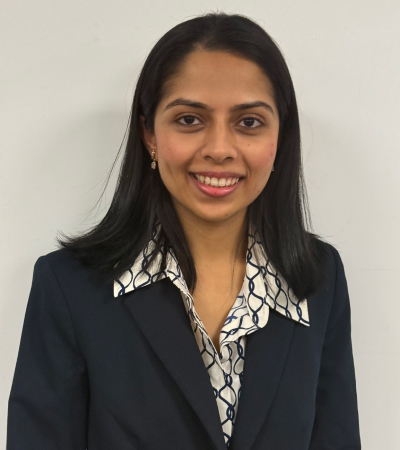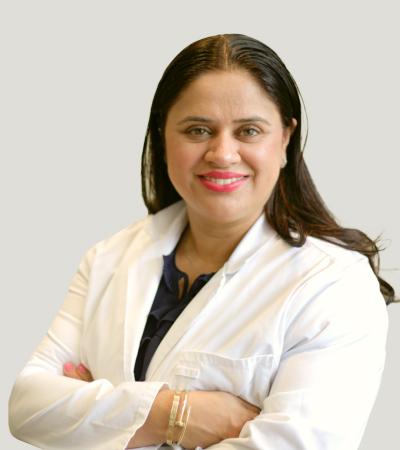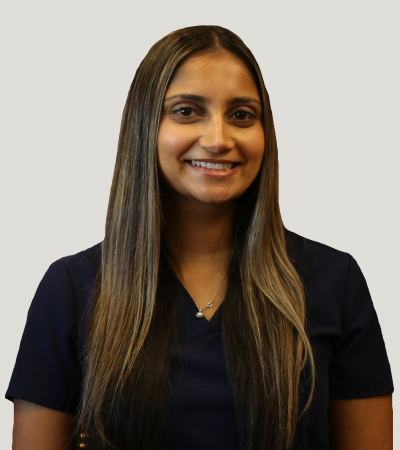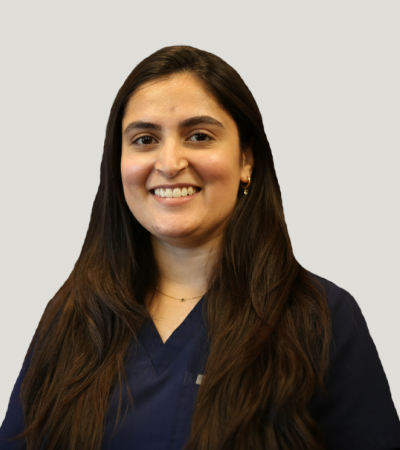
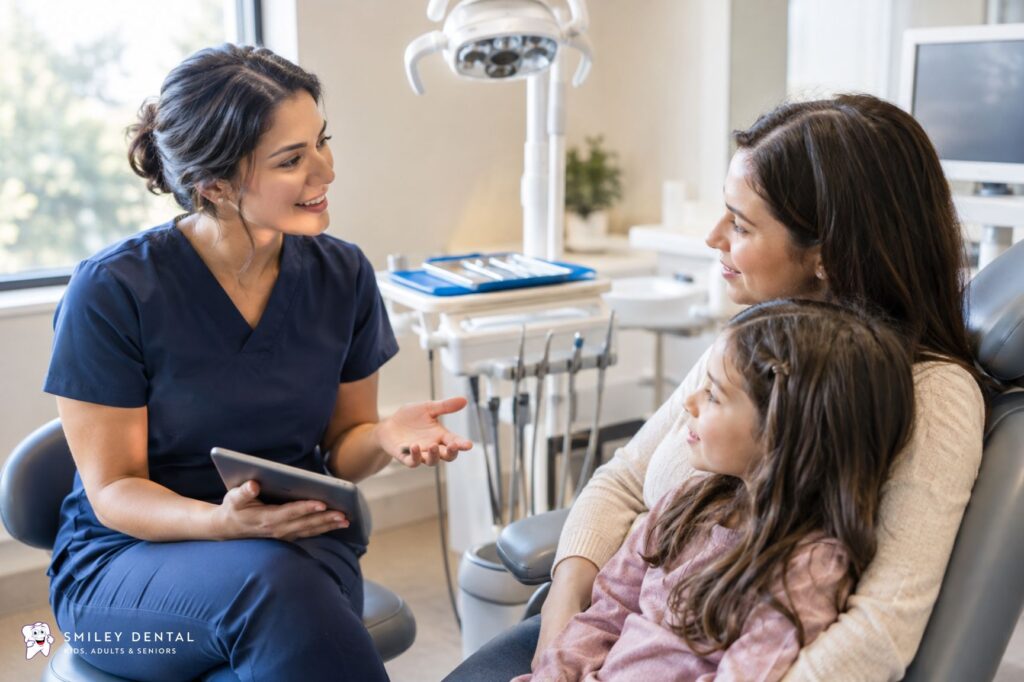
Choosing a multilingual dental practice can make it easier for your whole family to understand and take part in their dental care. When a dentist and patient can talk in a language both are comfortable with, it becomes simpler to explain findings, ask questions, review treatment options, and follow home-care instructions. That matters most in families where parents, children, and grandparents may each prefer a different language..
Good communication counts at every stage of care, from a routine cleaning to a treatment discussion, a consent form, or a follow-up call. Below are five practical benefits of multilingual family dental care, plus what “multilingual” actually means, how interpreters fit in, and what to ask before you book.
Quick Answer: What Are the Benefits of a Multilingual Dental Practice?
A multilingual dental practice can make communication easier for families who speak different languages or prefer to discuss health in a language other than English. Benefits may include clearer explanations, easier questions, better understanding of home-care instructions, more comfortable conversations about medical and dental history, and simpler care for family members who prefer different languages. It can be especially useful when children, parents, grandparents, and caregivers all have different communication needs.
What Is a Multilingual Dental Practice?
A multilingual dental practice is a dental office where patients can get communication or support in more than one language. That support might come from team members who speak those languages, translated materials, qualified language assistance, or a mix of all three.
These pieces are related, but they are not the same thing:
- Speaking a language: A dentist or team member talks with you directly in your preferred language.
- Interpretation: A trained interpreter helps two people who do not share a language communicate in real time.
- Translation: Written material, such as a form or instruction sheet, is available in another language.
A practice may offer one, two, or all three. That is why it helps to ask what kind of language support is available instead of assuming.
What Is the Difference Between a Bilingual and Multilingual Dentist?
“Bilingual” usually means two languages, and “multilingual” usually means more than two. In many practices, several languages are covered by different members of the team, not by one dentist who speaks all of them. If you search for a multilingual dentist, what you probably need is a practice where someone can communicate with you in your language during your visit.
Top 5 Benefits of Choosing a Multilingual Dental Practice
1. Easier Communication About Your Dental Care
Dental visits involve a lot of detail. You may need to describe where a tooth hurts, how long it has bothered you, or what makes it worse. You may also need to understand what your dentist sees on an X-ray or during an exam.
Explaining these things is often easier in the language you think and feel most naturally in. It can also make it easier to ask about unfamiliar terms. The American Dental Association (ADA) encourages dentists to communicate clearly and limit unnecessary technical language, which matters even more when a patient is working in a second language.
Sharing a language does not guarantee perfect understanding, though. Good communication still depends on time, patience, and a dentist who checks that you have understood.
2. Clearer Understanding of Treatment and Home-Care Instructions
Dental care does not end when you leave the chair. Much of what protects your teeth happens at home, and it often depends on instructions you receive at the visit, such as:
- How to brush and floss around a new filling, crown, or denture
- How to take prescribed medication
- What to eat, or avoid, after a procedure
- Which symptoms are normal and which mean you should call
- When to schedule your next visit
If any of those instructions are unclear, it is easy to leave with questions you did not know you had. Instructions given in a familiar language, or written in one, can be easier to remember and follow. A multilingual practice cannot guarantee that patients follow every instruction, but it can remove one common obstacle.
3. Easier Dental Care for the Whole Family
Families rarely share one language preference. A mother might be comfortable in Spanish and English, a grandmother in Portuguese, and a teenager mostly in English. A practice that supports several languages can make it easier for everyone to receive care in the same place.
That can simplify things like:
- Scheduling exams and cleanings for several family members
- Talking with parents about a child’s care
- Keeping records for the family in one office
- Coordinating follow-up visits or restorative treatment
This is convenient, but it does not work the same way for every family. Some members may prefer English, and others may want an interpreter. The goal is flexibility, so each person can communicate in the way that works best for them. For a closer look at care for multiple age groups, our guide to family dentistry in Roslindale explains what a family practice typically covers.
4. More Comfortable Discussions About Treatment Decisions
Many patients hesitate to ask questions when a conversation feels hard to follow. Yet these are exactly the questions that help people make good decisions:
- Do I need this treatment now?
- What are my options?
- How long will it take?
- What should I expect afterward?
- What could happen if I wait?
When communication feels easier, patients may feel more comfortable asking these questions and staying involved. That said, treatment recommendations should always come from your exam, your X-rays, and your dentist’s professional judgment. Language support helps you understand the recommendation. It does not change what your teeth need.
5. A More Culturally and Linguistically Responsive Experience
The U.S. Department of Health and Human Services (HHS) has published National Standards for Culturally and Linguistically Appropriate Services (CLAS). They describe care that respects each person’s language, culture, and communication needs, and that provides information people can understand. The aim is to make health care more responsive and help reduce gaps in care.
In a dental office, that can mean:
- Respecting a patient’s language preference
- Using plain words instead of jargon
- Offering written information in a language the patient reads
- Including family members in conversations when the patient wants them there
- Being mindful of different expectations about health and care
Shared background does not automatically mean better care, and no practice can promise that. What matters is that the team listens and adapts to the patient in front of them.
What Are the Benefits of a Family Dentist?
A family dentist cares for patients of many ages in one office. Benefits often include easier scheduling, shared records, familiarity with the family’s dental history, and one place for cleanings, children’s care, restorative work, and emergency visits. When family members have different language preferences, a multilingual family dentist adds one more layer of convenience. For a deeper look at factors beyond language, see our guide on how to choose the right dentist in Boston for your family.
Why Is Multilingual Dental Care Helpful for Children?
With children, communication often runs through parents. Parents need to understand what the dentist found and what to do at home, from brushing habits to snacks and drinks that affect cavity risk. They may also be deciding about fluoride treatments or sealants (thin protective coatings placed on back teeth), and they need enough information to feel confident saying yes or no.
When a parent can talk through these topics in a comfortable language, they can take a more active role in their child’s care.
One caution: children should not be asked to interpret for their parents. Dental and medical conversations can include complex or sensitive information, and a child should not carry that responsibility. HHS guidance specifically discourages using minors as interpreters. To learn more about what to expect for younger patients, visit our children’s dentistry page, or read about why baby teeth matter more than most parents realize.
How Can Multilingual Dental Care Help Older Adults and Caregivers?
Older adults are not all alike, and many have no trouble communicating at the dentist. But for those who prefer another language, a multilingual practice can make several conversations easier, including:
- Reviewing medications and medical history
- Talking through options for dentures, implants, or other restorative work
- Learning how to clean and care for dentures
- Understanding treatment for gum disease
- Getting after-visit instructions in a form that is easy to follow
Caregivers often join these visits, too. When they can follow the discussion, they can better support a parent or grandparent at home. If a family member is considering replacing missing teeth, our restorative dentistry page and our comparison of dental implants vs. dentures for seniors offer more background.
Why Does Language Matter for Medical History and Consent?
Your dentist needs accurate information about your health to plan safe care. That includes medical conditions, medications, allergies, past dental treatment, and any symptoms you have now. The ADA notes that patients play an important part by sharing relevant health information. If something gets lost in translation, such as the name of a medication or a past reaction, it can affect how well your dentist understands your situation.
Can a Multilingual Dentist Help You Understand Consent Forms?
Consent means agreeing to a treatment after you understand what it involves, including the benefits, the risks, and the alternatives. Multilingual communication and translated forms can make those details easier to follow. But a translated form alone does not equal informed consent. You should always have the chance to ask questions and take time to decide.
When Is a Professional Dental Interpreter Appropriate?
A team member who speaks your language may be able to talk with you directly. Even so, a qualified interpreter can still be the right choice when:
- Your preferred language is not spoken by the clinical provider
- The treatment is complex
- The consent discussion is detailed
- Communication is difficult, or you simply prefer an interpreter
Being bilingual does not automatically make someone a trained medical interpreter, and a friend or relative is not always a good substitute either. Interpreting health information takes specific skills. When an interpreter is used, the ADA advises speaking directly to the patient and not to the interpreter. If you would like an interpreter, ask when you schedule so the office can plan.
What Is a Typical Visit Like at a Multilingual Family Practice?
Every office works a little differently, but a visit often looks something like this:
- You schedule and share your language preference.
- You complete registration and forms.
- The team reviews your medical and dental history.
- The dentist performs an exam (see our dental exams page for what that includes).
- Findings are explained in plain language.
- You discuss options and ask questions.
- You receive instructions, either spoken, written, or both.
- You plan any follow-up care.
A good visit leaves time for you to ask questions and confirm you understood.
What Is the 3-3-3 Rule in Dentistry?
There is no single, official “3-3-3 rule” in dentistry. Different websites use the phrase for different things, such as a brushing routine, a way to manage tooth pain, or another home-care habit. Because the meaning changes from source to source, it is best not to follow an unexplained “3-3-3” formula.
If someone recommends a 3-3-3 routine, ask what it refers to and whether it fits your situation. Your dentist can give you advice based on your teeth and gums, which is especially important for anything involving pain or medication.
Is the 3-3-3 Dental Rule Something Different?
No. “3-3-3 dental rule” is another way people phrase the same question, and the answer is the same: it is not a standardized guideline. If your dentist gives you a set of numbers to remember, that is a personal plan, and they can explain exactly what it means.
What Is the Dentist 2-Year Rule?
There is no universal rule that says every patient must see a dentist on a two-year schedule. When people mention a “2-year rule,” they are often talking about one of these:
- A dental insurance limit on how often a certain service is covered or replaced
- A policy at a particular dental office
- A claim circulating online
Insurance limits describe what a plan will pay for. They are not medical recommendations, and they differ from plan to plan. Your plan documents, or the insurance staff at your dental office, can explain what applies to you. You can also see which plans we work with on our insurances accepted page.
How Often Should a Family Visit the Dentist?
There is no single schedule that fits everyone. How often a person should be seen depends on things like age, gum health, cavity risk, past dental work, orthodontic treatment, medical conditions, and any current symptoms. Some people do well with visits about twice a year, and others may need to come in more often. Your dentist can recommend a schedule for each family member, and regular preventive dental care is a good place to start that conversation.
What Should You Look for in a Multilingual Family Dentist?
Language is one factor among several. Here is a simple way to think about it:
| What to Consider | Why It Matters |
| Languages spoken by the team | May make communication more comfortable |
| Language assistance | Can help when your language is not directly available |
| Translated forms and materials | May make paperwork and instructions easier to follow |
| Range of services | Helps you know whether one office can care for the whole family |
| Clinical qualifications | Language ability should never replace clinical expertise |
| Emergency care | Important when you need help quickly |
| Insurance and financing | Helps families understand expected costs |
| Location and hours | Makes regular visits easier to keep |
Questions to Ask Before You Book
- Which languages does the team speak, and is mine available at my appointment time?
- Are patient and consent forms available in my language?
- Are written instructions available in my language?
- Can you arrange a professional interpreter if needed?
- Can my children, my parents, and I all be seen here?
- How do you explain treatment plans and give me time to ask questions?
- Which insurance plans do you accept, and are financing options available?
- What should I bring to my first visit?
Multilingual Family Dentistry in Boston, MA
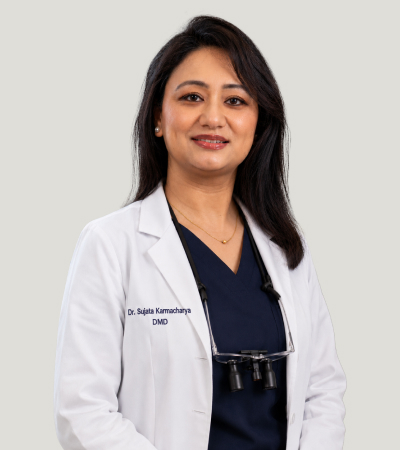
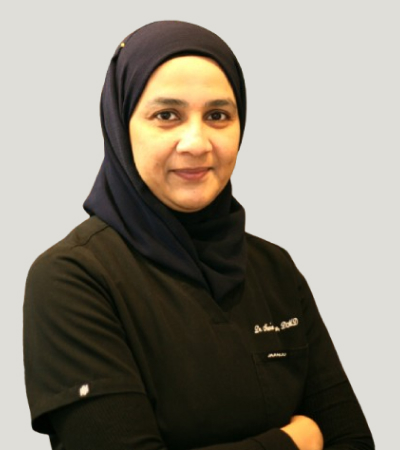
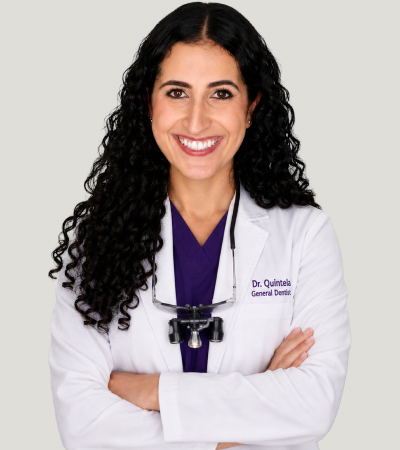
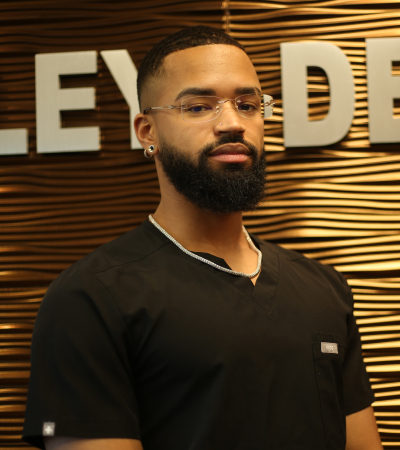
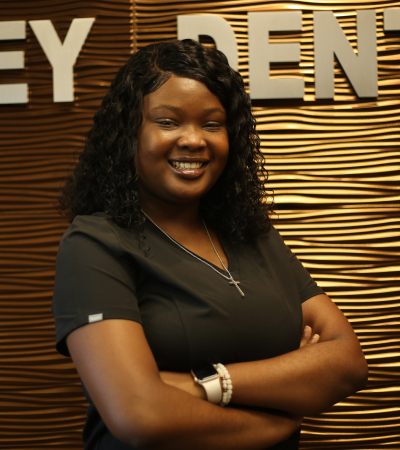
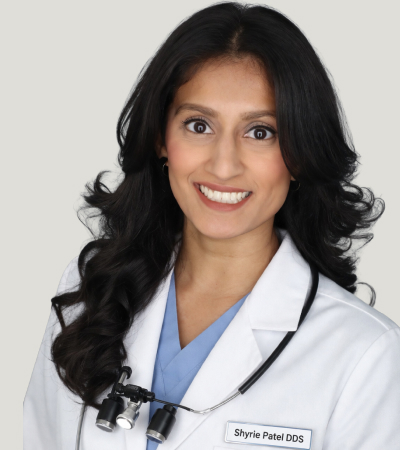
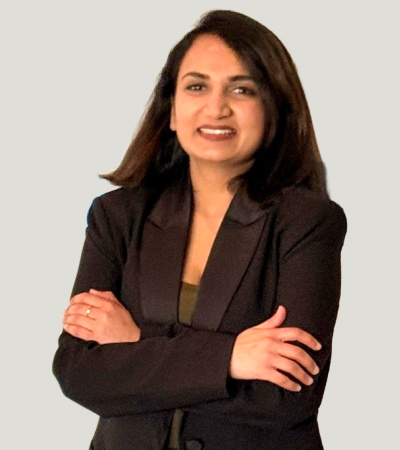
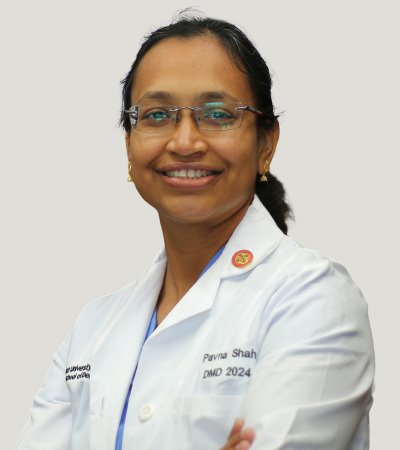
Boston is a diverse city, and many families here speak more than one language at home. Smiley Dental Boston, located in Roslindale, states that its Boston team speaks English, Hindi, Spanish, Portuguese, and Haitian Creole. Not every team member speaks every language, so it is best to confirm availability when you schedule. We also offer Spanish and Creole pages, and our patient resources page lists the forms and materials currently available.
Families in Roslindale and nearby neighborhoods often weigh language support alongside location, appointment times, children’s care, and emergency availability. If you are looking for a dentist serving Roslindale or a nearby community, it helps to decide which of these matter most to your family. If a dental emergency comes up, our same-day emergency care page explains how to reach us. Urgent visits depend on fast, clear communication about symptoms, medications, and allergies, so confirm your language options ahead of time.
Frequently Asked Questions About Multilingual Dental Care
Not necessarily. Fees depend on the services you need, your insurance, and the practice’s pricing, not the number of languages spoken. Costs can vary by patient and treatment, so ask for an estimate.
Dental insurance generally applies to covered dental services and plan benefits. Whether a plan pays separately for language services varies, so check your plan details or ask the office to help you verify.
No. A translated website shows that information is available in more than one language. A multilingual practice provides communication support in person, through team members, interpreters, translated forms, or other resources.
Not by itself. Language helps with communication, but the quality of care depends on a dentist’s training, experience, and clinical judgment. Language support is one helpful factor, not a substitute for the others.
You can always ask. Availability varies by practice and by form, so confirm which documents are offered in your language before your visit.
Bring a list of your medications, any allergies, and your insurance information. Write down your questions in advance, and tell the office your preferred language and whether you would like an interpreter.
Not necessarily. For families with different language preferences, it can make communication and coordination easier. For others, convenience, services, or insurance may matter more.
Ready to Ask About Your Family’s Options?
If you are looking for dental care in Boston, it is reasonable to ask about available languages, forms, family services, and communication support before you schedule. The team can explain which language options are available and help you find an appointment that suits your family. You can reach out through our appointment request page.