Quick Answer: There is no single dental crown material that is ideal for every patient. Zirconia is known for its exceptional strength and durability, making it an outstanding choice for back teeth (molars) and patients who exert heavy biting forces. Porcelain and other ceramic crowns offer superior translucency and a natural appearance, making them ideal for visible front teeth. Newer translucent zirconia materials combine high strength with significantly improved aesthetics.
The right crown depends on the tooth’s location, your bite, remaining tooth structure, cosmetic goals, gum health, and budget. The American Dental Association (ADA) notes that different restorative materials possess distinct clinical, structural, and aesthetic properties, which is why material selection should always be tailored to the individual patient.
What Is a Dental Crown?
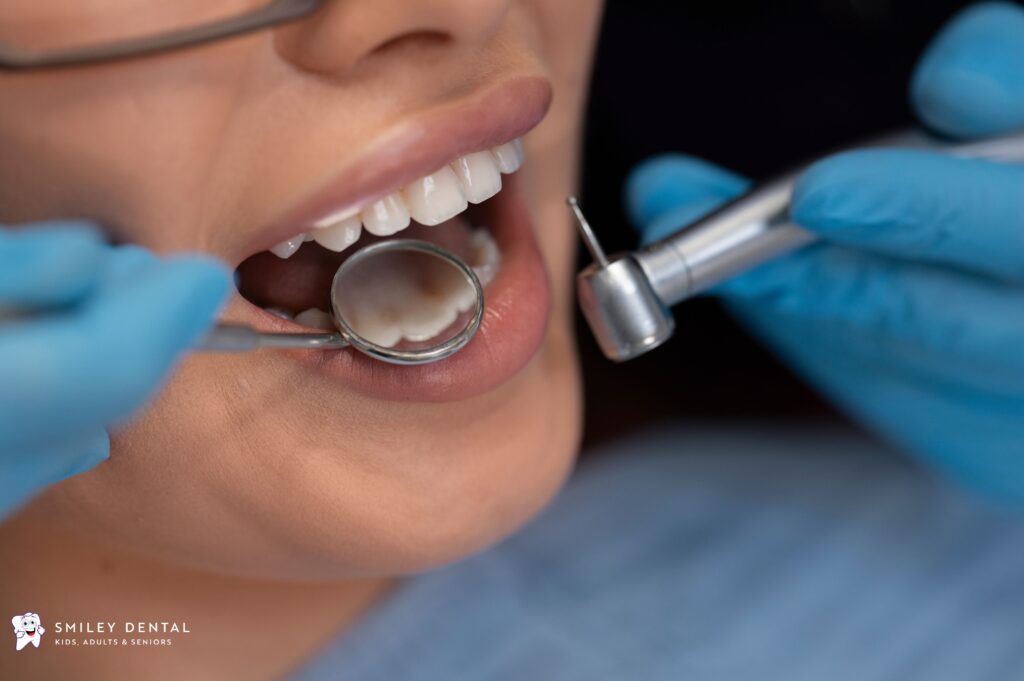
A dental crown is a custom-crafted restoration that fully covers the visible portion of a damaged or weakened tooth above the gumline. You can think of it as a protective cap that restores the tooth’s natural shape, strength, appearance, and normal function.
According to the American Dental Association, crowns are frequently used to strengthen teeth with large fillings, protect weak or broken teeth, improve severely discolored or misshapen teeth, support dental bridges, and restore dental implants.
At Smiley Dental Boston, crowns and bridges are key components of restorative dentistry aimed at rebuilding damaged teeth and restoring comfortable, confident oral function.
Why Might a Dentist Recommend a Crown?
A dentist may recommend a crown when a tooth:
- Has a large filling with minimal healthy natural tooth structure remaining
- Is cracked, fractured, or severely worn down
- Suffers from extensive tooth decay
- Requires structural protection following root canal treatment
- Has significant cosmetic defects or severe discoloration
- Serves as an anchor to support a dental bridge
- Replaces a missing tooth as part of a dental implant restoration
- Cannot be predictably repaired with a smaller restoration like a filling, inlay, or onlay
For patients with multiple missing, heavily damaged, or restored teeth, a broader treatment approach such as full-mouth reconstruction may be recommended.
Crown vs. Filling: What’s the Difference?
- Filling: A filling repairs a localized, limited area inside a tooth. When enough healthy structure remains, a tooth-colored filling is often the preferred choice.
- Crown: A crown encases the entire visible tooth above the gumline. When a tooth is significantly compromised, a crown provides superior overall protection, structural reinforcement, and force distribution.
What Are the Main Types of Dental Crowns?
The main dental crown materials include zirconia, porcelain or glass ceramics, porcelain-fused-to-metal (PFM), full metal, and resin-based materials. Each material offers distinct clinical advantages and tradeoffs.
Zirconia Crowns
Zirconia crowns are made from zirconium dioxide, a high-strength ceramic material renowned for its durability. Key benefits include:
- Exceptional mechanical strength and high fracture resistance
- Long-lasting durability under heavy chewing forces
- Natural tooth-colored appearance
- High biocompatibility with oral tissues
- Suitable application for both front and back teeth
The ADA notes that zirconia exhibits high flexural strength. Newer formulations feature enhanced translucency for better aesthetics, though increasing translucency slightly reduces maximum mechanical strength. Therefore, high-translucency zirconia for front teeth differs in properties from high-strength zirconia used for heavy-duty molars.
When Zirconia Is Recommended:
- Molars and premolars that endure heavy chewing forces
- Patients who clench or grind their teeth (bruxism)
- Cases where both high strength and a natural tooth color are needed
Porcelain and Ceramic Crowns
Porcelain and ceramic systems (such as lithium disilicate) are widely recognized for delivering unmatched aesthetic results. Their primary advantage is visual appeal, successfully replicating natural tooth enamel properties including:
- Lifelike translucency and light reflection
- Natural color shading and brightness
- Precise surface texture matching
When Porcelain / Ceramic Is Recommended:
- Front teeth (incisors and canines) visible when smiling
- Cosmetic restorations where visual perfection is the primary goal
Porcelain-Fused-to-Metal (PFM) Crowns
PFM crowns feature a sturdy metal core covered by a layer of tooth-colored porcelain. They combine:
- Strong metallic structural support
- A pleasing, tooth-colored outer layer
- Decades of proven clinical track record
Tradeoff: PFM crowns lack the full translucency of modern all-ceramic restorations, and a thin dark metal line may become visible near the gumline over time as gums naturally recede.
Metal Crowns
Full-metal crowns are crafted from gold, platinum, or base metal alloys. Benefits include:
- Outstanding strength and fracture resistance
- Excellent longevity under heavy biting pressure
- Minimal removal of natural tooth structure required
Tradeoff: Their metallic appearance makes them unsuitable for visible teeth, but they remain an exceptional choice for hidden back molars.
Resin and Temporary Crown Materials
Resin materials are mainly used for temporary (provisional) crowns while permanent restorations are being custom fabricated in a dental lab. They offer acceptable aesthetics and affordability but lack the long-term wear resistance required for permanent use.
Which Dental Crown Is the Most Durable?
If pure strength is the priority, zirconia and full-metal crowns are the most durable options available. Modern zirconia provides high flexural strength while maintaining a natural tooth-colored look.
However, crown durability depends on more than material selection alone. Key factors include:
- Remaining healthy natural tooth structure
- Precise tooth preparation and exact crown fit
- Bite alignment and presence of teeth grinding (bruxism)
- Gum health, daily oral hygiene, and routine dental care
Which Dental Crown Looks the Most Natural?
For patients prioritizing appearance, high-grade porcelain and glass-ceramic crowns (such as lithium disilicate) offer the most natural, lifelike appearance. Natural teeth possess translucency that allows light to pass into the tooth structure a property best mimicked by glass ceramics and modern translucent zirconia.
Creating a natural look requires balancing:
- Precise color shade and translucency matching
- Natural tooth proportions, contour, and surface texture
- Harmony with neighboring natural teeth and the surrounding gumline
What Is the Best Crown Material for Front Teeth?
Front teeth require restorations that prioritize aesthetics while maintaining adequate strength. Porcelain, high-aesthetic glass ceramic, and translucent zirconia are the top choices for central incisors, lateral incisors, canines, and visible premolars.
Key considerations for front-tooth crowns include natural tooth shade, gumline symmetry, bite forces, and overall smile goals.
What Is the Best Crown Material for Molars?
Molars generate heavy chewing pressure. Therefore, molar crowns must emphasize fracture resistance and long-term structural durability. Zirconia is usually the top choice, offering maximum strength with a tooth-colored finish. Metal crowns and PFM crowns are also strong candidates depending on bite alignment and cosmetic preference.
Zirconia vs. Porcelain Crown: Quick Comparison
Neither material is universally superior; each serves distinct clinical priorities:+
- Strength & Fracture Resistance: Zirconia is excellent and highly resistant to cracking; Porcelain offers moderate to high strength.
- Aesthetic Translucency: Porcelain offers unmatched enamel-like translucency; Zirconia provides very good to excellent aesthetics (improving with modern translucent types).
- Best Location Use: Zirconia excels on molars and for heavy biters; Porcelain is often the top choice for visible front teeth.
- Metal-Free Construction: Both Zirconia and Porcelain are completely metal-free.
What Is the Healthiest Crown to Get?
There is no single “healthiest” crown material. The healthiest choice is a restoration that fits accurately, protects the natural tooth structure, functions comfortably without disturbing your bite, stays easy to clean around the gumline, and accommodates any patient material sensitivities.
What Type of Dental Crown Lasts the Longest?
Zirconia and full-metal crowns generally offer the longest physical lifespan. However, clinical studies show that properly fitted porcelain, ceramic, and PFM crowns also achieve excellent long-term survival rates. Longevity relies heavily on precision fit, patient bite forces, protective night guard use if grinding, and meticulous daily oral hygiene.
What Type of Crown Do Most Dentists Use?
Dentists do not rely on a single material for every case. Modern practice favors individualized selection: zirconia for back molars, high-translucency ceramic for front teeth, and PFM or metal in specialized clinical situations.
Types of Dental Crowns and Cost Considerations
Crown pricing varies depending on material, clinical complexity, lab fees, insurance coverage, and required preliminary procedures (such as root canals or core buildups).
- Temporary Resin: Lowest cost; temporary use only.
- Traditional Metal Alloys: Cost varies widely based on precious metal prices.
- Porcelain-Fused-to-Metal (PFM): Mid-range cost.
- All-Ceramic / Porcelain: Mid to higher range.
- Zirconia: Mid to higher range, offering high long-term value.
What Is the Cheapest Dental Crown Material?
While temporary resin crowns have the lowest initial cost, they are not permanent. Among permanent choices, certain PFM or base-metal crowns may have lower upfront costs, but initial price should not be the sole factor. A lower-cost crown that fractures prematurely can end up costing more over time than a durable restoration.
Titanium Tooth Crown Cost: Clarifying the Term
Patients searching for “titanium crowns” are often confusing dental implants with tooth crowns. Titanium is primarily used for the implant post anchored in the jawbone and the connecting abutment. The visible tooth replacement attached to the implant is usually a custom zirconia, porcelain, or PFM crown.
How Dentists Choose the Right Crown Material
Dentists evaluate several personalized clinical factors before recommending a crown material:
- Tooth Location: Front teeth prioritize visual blending; back molars prioritize chewing strength.
- Remaining Tooth Structure: Amount of solid natural enamel and dentin available.
- Bite Forces & Bruxism: Pressure placed on teeth during chewing or nocturnal grinding.
- Cosmetic Goals: Desired shade, translucency, and smile integration.
- Gum Health & Biocompatibility: Ensuring healthy tissue maintenance and accommodating material sensitivities.
Summary Guide: Dental Crown Materials
- Zirconia: High to very high durability; high natural appearance with modern formulations; best for molars, heavy bite forces, and general strength.
- Porcelain / Glass Ceramic: Moderate to high durability; excellent natural translucency; best for cosmetic front-tooth restorations.
- Porcelain-Fused-to-Metal (PFM): High durability; good appearance; versatile for front or back teeth with proven history.
- Full Metal: Very high durability; low natural appearance; best for hidden back molars requiring maximum strength in minimal space.
- Resin / Temporary: Lower durability; good initial appearance; used exclusively as a temporary protective cap.
Summary Guide: Choosing by Priority
- Best for Front Teeth: Porcelain, glass ceramic, or aesthetic translucent zirconia.
- Best for Molars: Zirconia, full metal, or PFM.
- Best for Maximum Strength: Zirconia or full metal.
- Best for Lifelike Appearance: High-aesthetic glass ceramic or porcelain.
- Best for Metal Allergies: All-ceramic or zirconia.
Front Teeth vs. Molars Comparison
- Front Teeth Priority: Natural appearance, translucency, exact shade matching, and gumline symmetry (lower bite pressure).
- Molars Priority: Structural strength, high fracture resistance, and durability under heavy chewing pressure.
Checklist: Questions to Ask Your Dentist
- Which crown material is best suited for this specific tooth?
- Is strength or appearance the bigger priority for my case?
- Is zirconia or ceramic recommended for my bite?
- Do I show signs of teeth grinding or clenching?
- What is the estimated total treatment cost and insurance coverage?
- How should I properly care for and maintain this crown?
Checklist: What Makes a Good Crown Candidate?
- You have a severely decayed, cracked, or structurally weakened tooth.
- You have a large filling with minimal natural tooth remaining.
- You recently underwent root canal therapy on a back tooth.
- You are committed to good daily oral hygiene and regular dental checkups.
How to Care for Your Dental Crown
- Brush Twice Daily: Clean thoroughly along the gumline with fluoride toothpaste.
- Floss Daily: Remove plaque from around crown margins just like natural teeth.
- Protect Your Teeth: Wear a custom night guard if you grind your teeth, and avoid using teeth as tools to open packages or bite hard objects.
- Attend Regular Cleanings: Schedule routine preventive care to check crown margins, fit, and underlying health.
Signs Your Dental Crown May Need Attention
Contact your dentist promptly if you experience:
- Persistent tooth pain, sensitivity, or discomfort when biting
- A loose, shifting, cracked, or chipped crown
- Swelling, bleeding, or irritation around the crowned tooth’s gumline
- Food repeatedly getting trapped along the crown margin
Why Choose Smiley Dental Boston for Dental Crowns?
Smiley Dental Boston provides personalized restorative and cosmetic dental care tailored to your unique smile. Their experienced team evaluates your bite, tooth position, gum health, and cosmetic expectations to recommend the ideal crown material for long-lasting strength and beauty.
Frequently Asked Questions
What is the most natural-looking dental crown?
High-quality porcelain and glass-ceramic crowns (such as lithium disilicate) offer the most natural results because they replicate the light translucency of natural enamel. Modern translucent zirconia is also an excellent option.
What is the most durable dental crown?
Zirconia and full-metal crowns are the strongest and most durable choices, resisting heavy biting forces without fracturing.
What is the healthiest crown to get?
The healthiest crown is one that fits precisely, protects remaining tooth structure, is biocompatible with your gums, and maintains comfortable bite alignment.
What type of crown lasts the longest?
Zirconia and metal crowns generally last the longest, but well-maintained ceramic and PFM crowns can also last many years with proper care and hygiene.
Is zirconia better than porcelain?
Neither is universally better. Zirconia offers higher mechanical strength, making it superior for molars, while porcelain offers higher translucency, making it ideal for front teeth.
What is the best crown material for front teeth?
Porcelain, glass ceramic, and translucent zirconia are best for front teeth due to their superior shade matching and natural appearance.
What is the best crown material for molars?
Zirconia and full-metal crowns are best for molars due to their high fracture resistance under intense chewing pressure.
How much do different types of dental crowns cost?
Costs vary based on material, location, required procedures, and insurance coverage. A personalized clinical examination provides the most accurate cost estimate.
What is the cheapest dental crown material?
Temporary resin is the least expensive but is temporary. Among permanent choices, base-metal or certain PFM crowns may have lower initial costs, though long-term value depends on durability.
How do I know which crown is right for me?
Schedule a comprehensive dental examination. Your dentist will evaluate your tooth’s condition, bite, cosmetic goals, and budget to recommend the optimal material.
Which Dental Crown Should You Choose?
There is no single crown material that suits every situation. Zirconia and metal offer unparalleled strength for molars, while porcelain and ceramic provide exquisite cosmetic results for front teeth. Consulting with your dentist is the best way to choose a crown that balances strength, beauty, function, and value. Ready to restore your smile with the perfect dental crown? Contact Smiley Dental Boston today or schedule your consultation online to get a personalized treatment plan tailored to your needs!