Whiten your teeth safely by following dentist-recommended treatments, maintaining good daily oral care, and using peroxide-based products that remove stains effectively.
Here’s a quick overview of what actually gets results:
● Professional in-office whitening is the fastest and safest option – up to 8 shades lighter in a single visit, with results that last 1–3 years.
● Custom take-home trays from your dentist are great for gradual whitening and easy touch-ups at home.
● ADA-approved whitening strips can help with mild surface stains, though results are slower and less dramatic.
Not sure which is right for you? Keep reading – we break down every option below, including what to avoid and why.
Why Boston Patients Are Searching for Safe Teeth Whitening Options
Teeth whitening is one of the most requested cosmetic procedures in dentistry today. Nearly 90% of patients request tooth whitening, and when people are asked what they’d most like to improve about their smile, whiter teeth is the number-one answer. The problem is that the market is flooded with products making bold promises – and not all of them are safe.
If you’ve been Googling “safe teeth whitening Boston,” you’re asking the right question. At Smiley Dental Boston, we hear this from new patients every week – and the answer depends entirely on which method you choose. The method you choose matters enormously, both for the results you get and for the long-term health of your enamel. This guide breaks down every major whitening option available in 2026, what the evidence actually says, and how to choose the right path for your smile.
How Teeth Whitening Actually Works
Before choosing a product or treatment, it helps to understand the science behind whitening.
The active ingredient in virtually all effective whitening treatments is hydrogen peroxide or carbamide peroxide. When applied to teeth, hydrogen peroxide penetrates the porous enamel and breaks down into water and oxygen. The oxygen molecules then react with chromogen molecules – the compounds that create stains – breaking their chemical bonds and effectively bleaching them colorless.
Two types of tooth staining respond differently to whitening:
- Extrinsic stains sit on the surface of the enamel, caused by coffee, tea, red wine, and tobacco. These respond well to most whitening methods.
- Intrinsic stains are deeper, embedded within the dentin layer of the tooth. These require professional-strength treatments to address effectively.
Whitening toothpastes work differently – they use abrasive particles and enzymes to remove surface stains rather than bleaching. While they can maintain existing whiteness and prevent new stains, they cannot lighten teeth beyond their natural color.
Your Whitening Options in 2026 – Ranked by Effectiveness and Safety
1. Professional In-Clinic Whitening (Most Effective)
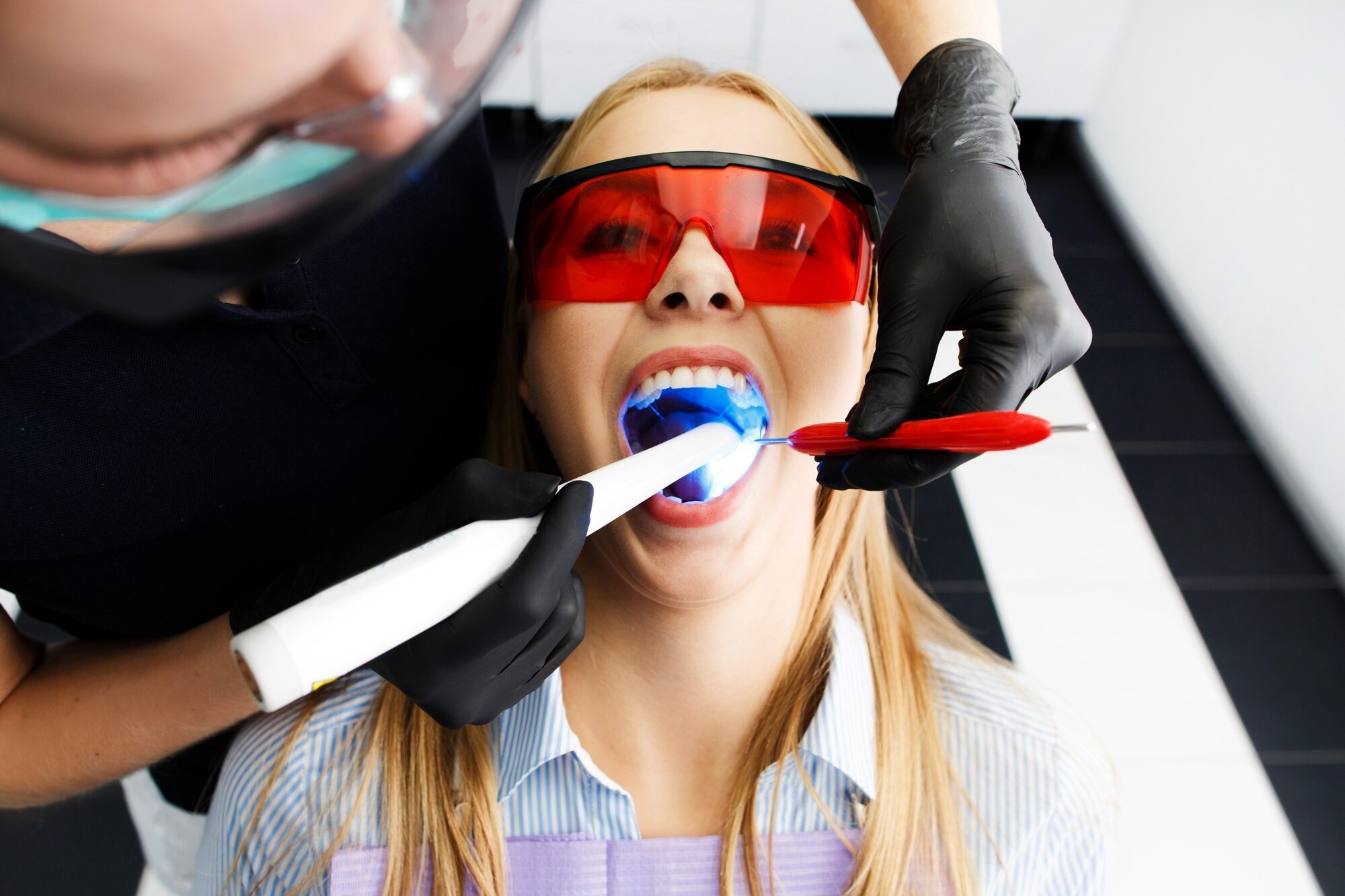
In-office whitening at a dental practice like Smiley Dental Boston uses professional-strength hydrogen peroxide gel – typically 15–35% concentration – applied directly to the teeth while your gums and soft tissues are carefully protected with a barrier.
You can leave the clinic with teeth up to eight shades lighter in just one visit. A trained professional monitors the application, ensuring that the powerful bleaching agents do not damage your soft tissues.
Many modern offices use LED light to accelerate the process. LED light acts as a catalyst – the light energy speeds up the breakdown of stain molecules on the enamel, allowing visible results in a single session.
This is the best option if you have a wedding, job interview, or event coming up – or if you simply want the fastest, most reliable result possible.
2. Custom Take-Home Trays from Your Dentist (Best for Maintenance)
Your dentist takes impressions of your teeth and creates custom-fitted trays that hold a professional-grade whitening gel evenly and precisely against your enamel. You wear them for 30–60 minutes a day for one to two weeks.
One-size-fits-all OTC strips are very different from custom trays – generic strips can lead to inconsistent coverage and more frequent gel contact with soft tissues. Custom trays eliminate this problem because they fit exactly.
A combination approach is often recommended in 2026: one in-office session followed by maintenance trays at home. This gives you dramatic initial results with an easy, affordable way to maintain them long-term.
3. Over-The-Counter Whitening Strips (Mild Surface Stains Only)
Whitening strips available at pharmacies contain a lower concentration of hydrogen peroxide – typically 3–10%. At-home kits typically require 2–6 weeks for 2–4 shade improvements, compared to 3–8 shade improvements from professional treatments in a single session.
If you have mild surface staining and no existing dental work, ADA-approved strips can be a reasonable starting point. Look for the ADA Seal of Acceptance on the packaging. However, for anyone with crowns, veneers, bonding, or moderate-to-deep staining, OTC strips are likely to disappoint.
4. Whitening Toothpaste (For Maintenance, Not Transformation)
Whitening toothpastes are best used to maintain results after a professional treatment – not to achieve significant whitening on their own. They work by gently polishing away fresh surface stains before they set in. Used daily alongside professional whitening, they can extend your results noticeably.
What Doesn’t Work – and What Can Actually Harm Your Teeth
Activated Charcoal
The American Dental Association notes there is insufficient evidence demonstrating that charcoal-based oral care products provide a measurable whitening benefit with adequate safety. Worse, charcoal is abrasive – it can wear down enamel over time, making teeth appear more yellow by revealing the darker dentin layer beneath. [ADA – Whitening]
Lemon juice, Vinegar, and Acidic Fruits
These are genuinely damaging. Acid erodes enamel permanently. Limited studies on DIY natural whitening interventions raise serious questions about both efficacy and safety.
Oil Pulling
There is no documented tooth whitening derived from oil pulling, and it has been associated with adverse events, including lipoid pneumonia and digestive upset. [MakeO]
Diy Whitening Kits Without Dental Supervision
Unregulated online kits often use high concentrations of peroxide without the protective measures a dentist provides. Professional teeth whitening uses custom resin barriers on the gums to prevent the gingival irritation commonly caused by OTC strips and gels. Without this protection, you risk chemical burns to your gums.
Is Professional Whitening Safe for Your Enamel?
This is the most common concern patients raise – and it’s a fair one.
Professional teeth whitening does not permanently damage tooth enamel. The process causes temporary dehydration of the enamel, which naturally reverses through saliva. Any sensitivity you feel in the first 24–48 hours is normal and temporary.
Some patients may feel brief sensitivity for the first 24 hours. Professional treatments use potassium nitrate to block pain signals, making the procedure far more comfortable than most people expect.
One important note: whitening agents only work on natural tooth enamel. If you have crowns, veneers, or tooth-colored fillings, they will not change color, which could lead to an uneven-looking smile. If you are planning cosmetic work like veneers or crowns, whiten your teeth first so the new restorations can be matched to your new shade.
Who Should Not Whiten Without Consulting a Dentist First?
Whitening is safe for most adults, but certain situations require professional evaluation before starting:
- Pregnant or breastfeeding patients – there is limited safety data on whitening during pregnancy
- Children under 16 – the tooth pulp is larger and more sensitive at this age
- Patients with gum recession – exposed root surfaces can cause significant discomfort
- Anyone with active cavities or gum disease – these need to be treated before any whitening begins
- Patients with many crowns, bridges, or veneers – results will be uneven without a careful plan
How to Make Your Whitening Results Last Longer
Getting white teeth is one thing. Keeping them that way is another. Here’s what our team recommends:
- Avoid stain-causing foods and drinks for 48 hours after treatment – this is when enamel is most porous
- Use a whitening toothpaste daily to prevent surface stains from setting in
- Drink coffee, tea, and red wine through a straw to reduce direct contact with teeth
- Keep up with regular dental cleaning Boston appointments – professional polishing removes new stains before they deepen and helps your whitening results last significantly longer
- Touch up with custom trays at home once or twice a year – the gel refill cost is very low compared to a full in-office session
Why Patients Across Boston Trust Smiley Dental for Whitening
At Smiley Dental Boston, we have been helping patients in Roslindale, Mattapan, Hyde Park, Dorchester, Jamaica Plain, and across Greater Boston achieve brighter smiles since 2013. Every whitening treatment begins with a full dental exam to make sure whitening is appropriate for your teeth, your existing restorations, and your goals. We use modern, enamel-safe whitening systems and custom-designed protocols to minimize sensitivity while maximizing results.
Our team speaks English, Spanish, Portuguese, and Haitian Creole – and we welcome patients of all ages, with most major insurance plans accepted and flexible financing available.
Ready to whiten safely? Book a consultation with your trusted dentist in Roslindale atSmiley Dental and explore our professional teeth whitening Boston patients rely on – call 617-323-3000.
Frequently Asked Questions About Safe Teeth Whitening in Boston
How Long Does Professional Teeth Whitening Last?
Results typically last one to three years, depending on diet and lifestyle habits. Coffee, tea, red wine, and tobacco are the biggest contributors to staining. Touch-up sessions with custom trays at home can extend results significantly.
Can I Whiten My Teeth If I Have Sensitive Teeth?
Yes, in most cases. A dentist can prescribe desensitizing protocols before and after treatment, and many modern whitening systems are formulated specifically for sensitive patients. Let your dentist know about sensitivity before starting so the treatment can be customized for you.
How Many Shades Whiter Can Professional Whitening Make My Teeth?
Professional in-office whitening can lighten teeth by up to 8 shades in a single session, though most patients see a 4–6 shade improvement. Results depend on the type and depth of staining.
Do Whitening Treatments Work on Crowns, Veneers, or Bonding?
No. Whitening gel only affects natural tooth enamel – it cannot change the color of restorations. If you have significant cosmetic work, speak with your dentist before whitening to avoid an uneven result.
Is Teeth Whitening Safe During Pregnancy?
There is limited safety data on whitening during pregnancy, so most dentists advise waiting until after delivery and breastfeeding to be cautious. Talk to your OB-GYN and your dentist before proceeding.