
Choosing a dentist in Mattapan, MA takes more than picking the closest office. A good family dental office has a licensed dentist, clear communication, a preventive approach to dental care, and services that fit both children and adults. It also helps to check emergency procedures, office hours, insurance and payment options, and how comfortable your family feels with the dental team. This guide walks through each of these so you can compare local offices with confidence.
Quick Answer: What Should You Look for in a Family Dentist in Mattapan?
Look beyond location and online ratings. Consider the dentist’s education and license, clinical experience, communication style, preventive-care approach, range of services, emergency procedures, office hours, and insurance and payment options. Also ask whether the practice can comfortably care for different family members. Reviews offer useful insight, but they work best alongside credentials, services, and your own first impression of the dental team.
What Makes a Good Family Dentist?.
A good family dentist provides appropriate care, explains things clearly, listens to your concerns, holds a current license, and can meet the dental needs of the people they treat. No single trait decides this. It is the combination that matters.
When you compare offices, think about:
- Education and licensure
- Clinical experience with patients like your family
- A preventive-care philosophy
- Clear explanations of treatment
- Patient comfort
- Services for children and adults
- Emergency procedures
- Appointment availability
- Insurance and payment information
Takeaway: Compare several factors instead of searching for one “best dentist” label.
How Do You Know If a Dentist Is Good?
You can judge a dentist by looking at several things together: current credentials, experience, communication, preventive recommendations, patient reviews, and how the office runs day to day. No one factor proves quality on its own.
The American Dental Association suggests starting with your practical needs, researching dentists, meeting the dentist and staff, and choosing someone who can become a long-term partner in your oral care.
Signs that point in a good direction:
- The license is current and easy to verify
- Your questions are welcomed and answered
- Treatment options and alternatives are explained
- The office is clean and organized
- Scheduling and billing are clear
- You feel comfortable and respected
A five-star rating does not make a dentist good by itself. Treat it as one data point.
What Credentials Should You Check Before Choosing a Dentist?
At a minimum, verify that the dentist holds an accredited dental degree (DMD or DDS) and an active license from the Massachusetts Board of Registration in Dentistry. You can look up licensing information through the Massachusetts Board of Registration in Dentistry.
Beyond that, ask about:
- Specialty training, if you need specialty care
- Relevant certifications, where they apply
- Continuing education the dentist chooses to share
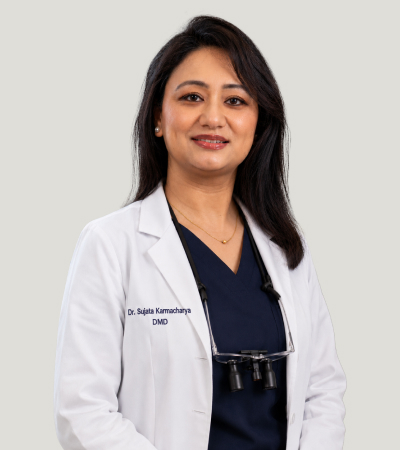
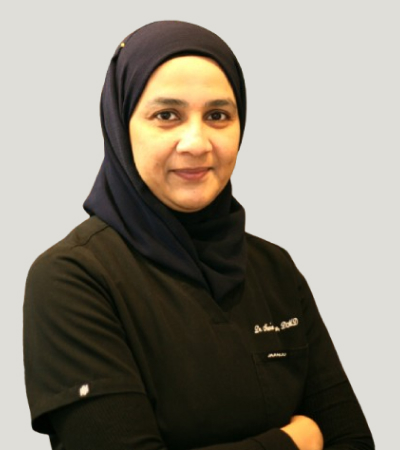
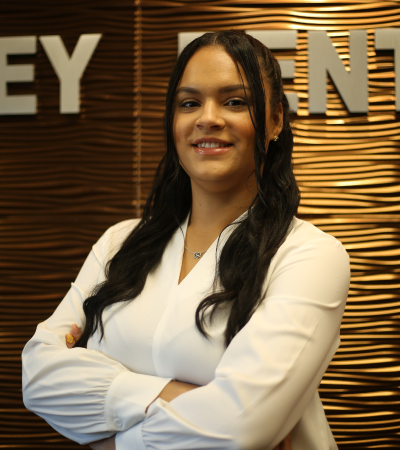
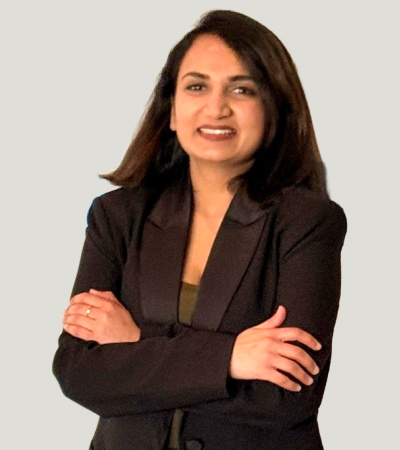
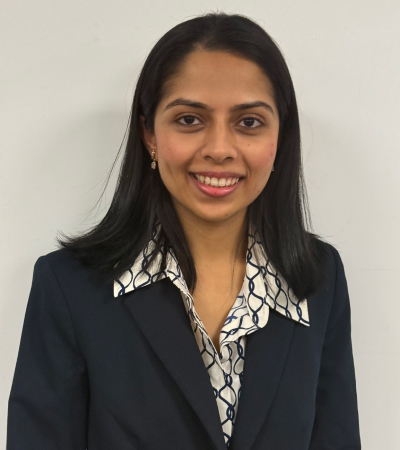
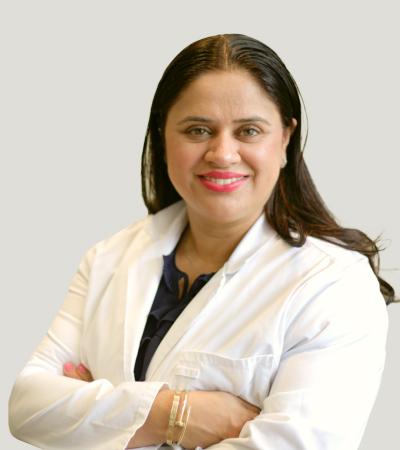
A license shows a dentist is qualified to practice. Extra training and years of experience are separate things, so ask about them directly. If an office lists credentials, check that they are specific and easy to understand. You can see provider details on pages like meet our doctors and our staff.
What Services Should a Family Dental Office Offer?
A family dental office should handle routine preventive care and either offer or coordinate other care when your family needs it. It does not need to provide every specialty in-house.
Most families look for these service categories:
| Service Category | Treatments Included |
| Preventive care | Dental exams, dental cleanings, and preventive education |
| Children’s dentistry | Check-ups and preventive care for kids |
| Restorative dentistry | Fillings, crowns, and bridges |
| Advanced restorative care | Root canal treatment, periodontal (gum) care, dental implants, and dentures |
| Cosmetic dentistry | Teeth whitening and other cosmetic options |
| Emergency care | Urgent evaluation and treatment |
Some treatments may be referred to a specialist, such as an orthodontist, endodontist, periodontist, oral surgeon, or pediatric dentist. A good family dentist coordinates those referrals when needed. Always confirm which services the office currently provides.
Why Is Preventive Dental Care Important When Choosing an Office?
Preventive care matters because it helps catch problems early and supports long-term oral health. A good family dental office does more than respond when something hurts. Look for routine exams, professional cleanings, oral hygiene education, risk assessment, and early detection. Preventive dental care helps you catch small issues early and builds a long-term dental home.
Why Does Communication Matter When Choosing a Dentist?
Communication is one of the clearest quality signals you can observe yourself. A good dentist explains what they found, why they recommend treatment, and what your options are, then gives you room to ask questions.
After an exam, you should understand:
- What the dentist found
- Why treatment is recommended
- Whether there are alternatives
- What may happen if treatment is delayed
- What maintenance to expect
- What costs and insurance considerations apply
Two dentists may sometimes suggest different treatments, and that is not automatically a problem. What matters is whether the reasoning is clear. If you want another opinion, a second opinion is a normal option.
How Important Are Dentist Reviews?
Reviews are useful, but they are not enough on their own. They show patient experience, not clinical quality.
Reviews can tell you about:
Reviews cannot confirm diagnosis accuracy, treatment quality, or whether a dentist suits your needs. Read for patterns, not single comments.
When reading reviews, look at:
- How recent they are
- How specific the comments are
- How the office responds
- How they compare with credentials, services, and your own visit
What Should Families Look for in Children’s Dental Care?
For children, look for an office that speaks to kids in age-appropriate language, keeps parents informed, and can follow changing dental needs as a child grows. Confirm that the office sees children before you book.
Useful things to ask about:
- How the team helps children feel comfortable
- How preventive education is handled for kids and parents
- Scheduling that works around school
- What happens if your child has a dental emergency
You can read about children’s dentistry at Smiley Dental Boston, or this post on why baby teeth matter.
What Should Older Adults Consider?
Older adults may have different dental concerns, and needs vary from person to person. Common topics to discuss include:
- Existing restorations and tooth wear
- Gum health
- Dry mouth and medication-related oral changes
- Dentures or implants
Ask about individualized care, and also about practical access, such as how easy it is to reach the office and move around inside it. Our post on restorative dentistry for retired patients may help.
Why Should You Choose One Dentist for Your Entire Family?
One family dental office can make care simpler, though it is not right for every family. Possible benefits include:
- Fewer locations to manage
- Easier family scheduling
- Shared dental records
- A dentist who knows your family’s oral-health history
Choose what fits your family.
Does Location Matter When Choosing a Dentist?
Location is not the only factor, but it matters. A convenient office makes it easier to keep up with regular visits, which supports long-term oral health.
Proximity can help with:
- Routine preventive visits
- Children’s appointments around school
- Back-to-back family appointments
- Emergency visits
- Follow-up care and transportation
The closest office is not automatically the best one. Weigh convenience together with services, communication, and comfort.
Families in Mattapan often look at nearby Boston neighborhoods like Roslindale and Hyde Park, so check each office’s service area and hours.
What Should You Know About Emergency Dental Care?
Before you need it, find out how an office handles dental emergencies. Do not assume same-day or after-hours care is available. Ask the office directly.
Questions to ask:
- Does the office treat dental emergencies?
- What does it count as an emergency?
- How do you reach the office, and what happens outside regular hours?
- Is same-day care available, or are patients referred elsewhere?
Urgent concerns can include:
- Severe tooth pain
- A knocked-out or broken tooth
- Dental trauma
- Swelling
If swelling comes with trouble breathing or swallowing, seek emergency medical care right away.
For more, see our guides on emergency dental care signs and what to do if a tooth is knocked out, and our same-day emergency care page.
What Should You Check About Insurance and Payment Options?
Before booking, confirm which insurance plans the office accepts and whether it is in-network for your plan. Then check your benefits directly with your insurance company and the dental office, because coverage varies.
Ask about:
- Accepted plans and claim procedures
- Out-of-pocket costs, deductibles, and annual maximums
- Coverage limits and exclusions, such as some cosmetic work
- Payment plans and dental financing
You can see plan details on the insurances accepted page. If you are uninsured, read about dental membership plans in Massachusetts.
How Much Does a Family Dentist Cost?
There is no single price for family dental care. Cost depends on:
- The type of service (preventive or restorative)
- The number of teeth treated
- Materials and complexity
- Your insurance, deductibles, and annual maximums
Ask for a clear cost explanation before treatment, and weigh cost alongside quality and fit.
What Is the 2 Year Rule for Dentists?
There is no universal “2-year rule” that applies to every patient or dentist. The phrase may refer to an insurance waiting or replacement period, or to informal advice, depending on context.
How often you should see a dentist depends on your oral health, history, and risk factors, and your dentist can recommend a schedule. If the phrase comes from your insurance, check the exact terms of your plan.
Which Dental School in Massachusetts Is Considered the Best?
There is no single “best” dental school for every purpose. The Massachusetts Board of Registration in Dentistry lists three dental schools, all in Boston:
| Dental School | Location | Key Highlights |
| Boston University School of Dental Medicine | Boston | Listed by the Massachusetts Board of Registration in Dentistry; see the school’s website for program details |
| Harvard School of Dental Medicine | Boston | Describes itself as a major institution focused on dental education, research, and patient care |
| Tufts University School of Dental Medicine | Boston | Describes its DMD program as combining coursework, preclinical training, clinical experience, and practice management |
Where a dentist studied is one credential worth knowing, but the school name alone does not show how good an individual dentist is.
A better check looks at:
- Current licensure
- Clinical experience and continuing education
- Communication
- Services offered
- Fit with your family’s needs
What’s the Best Way to Find a Good Dentist?
The best approach is a simple process: define your needs, build a shortlist, research each office, read reviews carefully, talk to the team, and decide on overall fit.
Step 1: Identify Needs
│
▼
Step 2: Build Shortlist
│
▼
Step 3: Verify Credentials
│
▼
Step 4: Evaluate Reviews
│
▼
Step 5: Direct Inquiry
│
▼
Step 6: Select Office
- Identify your needs. Think about who needs care (children, adults, seniors), what kind (preventive, restorative, cosmetic), and your insurance, location, and emergency needs.
- Build a shortlist. Use ADA resources, trusted recommendations, insurance directories, and local office websites.
- Research the office. Check credentials, services, hours, new-patient information, insurance, payment options, and emergency procedures.
- Read reviews for patterns. Look for recurring themes, not one-off comments.
- Speak with the office. Ask about your concerns, treatment options, costs, scheduling, and children’s appointments.
- Choose based on overall fit. The goal is a long-term dental home, not a “best dentist” title.
How Should You Compare Two Mattapan Dental Offices?
Compare the same factors for each office, then decide which one fits your family. This is a checklist, not a ranking.
| Evaluation Factor | Office A | Office B |
| Location | Compare convenience | Compare convenience |
| Hours | Check current schedule | Check current schedule |
| Family services | Verify | Verify |
| Children’s care | Verify | Verify |
| Preventive care | Verify | Verify |
| Emergency policy | Verify | Verify |
| Insurance | Confirm | Confirm |
| Payment options | Confirm | Confirm |
| Dentist credentials | Verify | Verify |
| Reviews | Examine patterns | Examine patterns |
| Communication | Assess | Assess |
| Overall fit | Personal decision | Personal decision |
What Are Possible Red Flags When Choosing a Dentist?
These are not proof of poor care, but they are worth noticing:
- Basic questions go unanswered
- Pricing or insurance policies are unclear
- You feel pressure to accept treatment right away
- No clear emergency process
- Confusing credentials
- Guaranteed results or “best dentist” claims with no evidence
What Questions Should You Ask Before Choosing a Family Dentist?
Bring a short list to your first call or visit:
- Is the dentist currently licensed?
- What types of dental care does the office provide?
- Does the practice see both children and adults?
- How are dental emergencies handled?
- What are the office hours?
- Does the office accept my insurance?
- What payment or financing options are available?
- How does the dentist explain treatment options?
- Can family members schedule appointments conveniently?
- Is preventive-care education provided?
- Are referrals available if I need a specialist?
- What should I bring to my first appointment?
How Should You Prepare Before Your First Dental Visit?
A little preparation makes the first visit easier. Before you book:
- Note your family’s main dental needs and current concerns
- Gather previous dental records, if you have them
- Check your insurance details
- Mention any dental anxiety so the team can help
- Think about emergency-care and children’s scheduling needs
You do not need to collect extensive medical information without a reason.
How Do You Find a Local Family Dentist in Mattapan, MA?
For many families in Mattapan, a local dental office makes regular care easier to keep up. Shorter travel helps with school schedules, work hours, and follow-up visits, and it matters most when a problem comes up quickly.
When you look for a dentist in Mattapan or nearby parts of Boston, focus on:
- Access: how easy it is to get to the office and book appointments
- Family-friendly scheduling: times that work for kids and adults
- Preventive and general care: exams, cleanings, and long-term planning
- New-patient availability: ask whether the office is taking new patients (see accepting new patients)
- Insurance and financing: answers you can get before your first visit
To learn how Smiley Dental Boston serves the area, visit the page for a dentist serving Mattapan.
Frequently Asked Questions About Choosing a Dentist
Look for a licensed dentist with clear communication, a preventive focus, services that fit your family, practical hours and location, and clear insurance and payment information.
There is no universal 2-year rule. The phrase may refer to an insurance policy or informal advice. Your visit schedule should be based on your oral health and your dentist’s recommendation.
Check their license, experience, and communication, see whether they explain options and welcome questions, and read reviews as one source among several.
No single school is best for everyone. Massachusetts has Boston University, Harvard, and Tufts dental schools. A dentist’s current license, experience, and fit matter more than the school name alone.
Define your needs, build a shortlist from reliable sources, research each office, read reviews for patterns, talk to the team, and choose based on overall fit.
They show patient experience, such as communication and scheduling, but they do not prove clinical quality. Look for consistent patterns.
Confirm a dental degree (DMD or DDS) and a current Massachusetts license. Ask about specialty training or extra certifications if relevant.
Most families benefit from exams, cleanings, preventive care, children’s dentistry, restorative care, and an emergency plan. Referrals for specialty care are common.
It can, because convenience makes regular visits and emergency care easier. It should be weighed with quality, services, and comfort.
Ask about licensing, services, emergency care, hours, insurance, payment options, how treatment is explained, and referrals.
Schedule a Dental Appointment
If you are looking for a family dentist in Mattapan, a consultation can help you understand the services available and whether the office is a good fit for your family’s needs. Smiley Dental Boston can help you learn more about dental care options and schedule a dental appointment. If you are new, you can also read our new-patient information first.