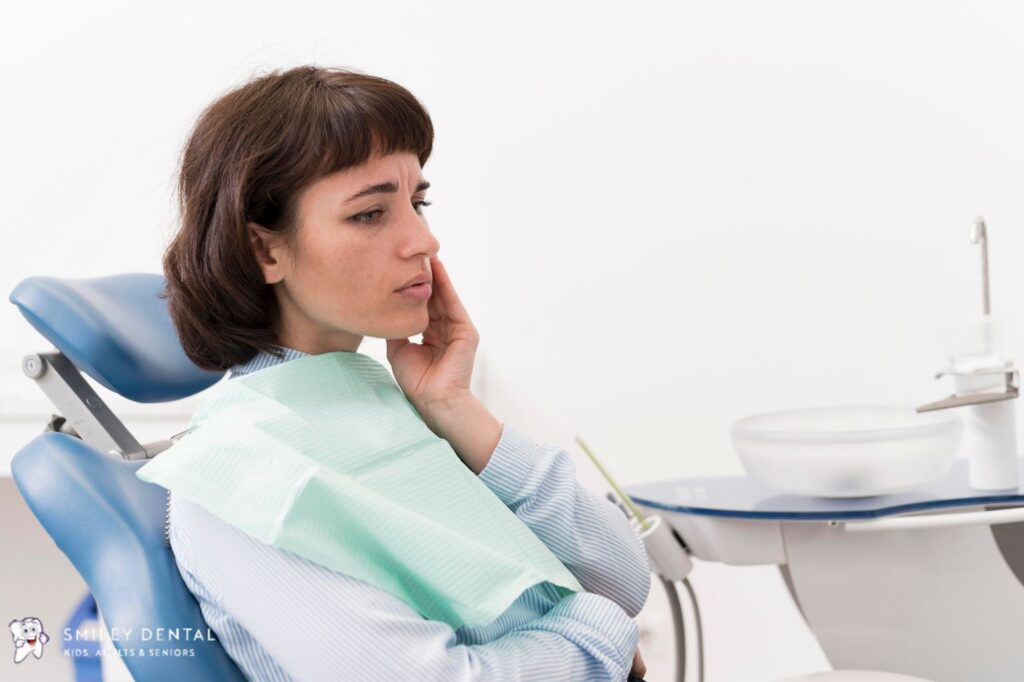
If you feel your stomach tighten at the thought of a dental appointment, you are far from alone, and there is no single “best” answer that fits everyone. Several Boston dentists, including Smiley Dental Boston, offer approaches designed to help anxious and fearful patients feel more comfortable, but the right fit depends on your own level of anxiety, your dental history, and how comfortable you feel with a specific office and team. This guide covers why dental anxiety happens, what dentists typically do about it, and what to look for when you are ready to find a Boston dentist who can meet you where you are.
Quick answer: Several Boston-area dentists, including Smiley Dental Boston, offer approaches designed to support anxious or fearful patients, such as calm communication, flexible scheduling, and sedation options where appropriate. The right dentist for dental anxiety depends on your specific fears, medical history, and comfort level. Before booking, it helps to ask directly about a practice’s experience with anxious patients and the sedation options they offer.
How Common Is Dental Anxiety, and Why Does It Happen?
Dental anxiety is far more common than most people realize, and research on the subject consistently finds that a meaningful share of adults feel some degree of nervousness or fear about dental visits, with a smaller portion experiencing more intense dental phobia. If you dread the dentist’s chair, you are not being dramatic and you are not alone.
A few of the most common causes include:
- Past painful or unpleasant experiences, especially from childhood
- Fear of needles, drills, or specific sounds associated with dental tools
- Loss of control, since lying back with someone working in your mouth can feel vulnerable
- Embarrassment about the condition of your teeth or how long it has been since your last visit
- Sensory sensitivity to bright lights, smells, or sounds in a dental office
None of these reasons make your anxiety a personal failing. It is a normal, manageable response, and dentists who regularly treat nervous patients are used to working with people who feel exactly the way you do.
How Do Dentists Deal With Dental Anxiety?
Many dentists use a combination of clear communication, thoughtful pacing, and comfort measures to help anxious patients feel more in control of their visit, including:
- Explaining each step before it happens, so there are no surprises
- Agreeing on a stop signal, such as raising a hand, so you can pause at any point
- Offering shorter or split appointments instead of one long visit
- Creating a calmer office environment, with a relaxed pace at check-in
- Providing headphones, music, or other distraction tools during treatment
- Taking extra time with numbing for comfort
At Smiley Dental Boston, comfort is treated as part of the plan rather than an extra, and Dr. Sujata Karmacharya, one of the practice’s dentists, has spoken about her focus on easing dental anxiety and helping patients feel relaxed throughout treatment. That said, no office can promise any specific patient will feel completely calm. What a good dentist can offer is a general practice built around communication, patience, and respect for how you feel.
Can You Be Sedated at the Dentist for Dental Anxiety?
Yes, many dental offices offer sedation options for anxious patients, though what is available and appropriate depends on the specific practice and on your individual health history.
At a general level, sedation dentistry falls into a few categories:
- Nitrous oxide (“laughing gas”) is inhaled through a small mask, takes effect quickly, wears off quickly once removed, and leaves you fully conscious throughout the appointment.
- Oral conscious sedation involves taking a pill before your appointment. You stay conscious during treatment, but typically more relaxed, and often remember less afterward.
- IV sedation produces deeper relaxation and is generally reserved for more involved procedures, administered and monitored by a qualified provider.
Not every office offers every type, and what is right for you depends on factors like your medical history, medications, and the treatment involved. The most reliable way to find out is to call the office, describe your anxiety and any relevant health details, and ask which options they offer and whether they fit your situation. This is meant to give you a general understanding, not a recommendation for your specific circumstances, which belongs with you and your dentist or physician.
What Is Prescribed for Dental Anxiety?
What is used for dental anxiety varies from patient to patient and is always determined by a dentist or physician rather than something to decide on your own.
In general terms, the options a provider might consider include nitrous oxide administered during the visit itself, an oral sedative prescribed for you to take beforehand, or, in some cases, anti-anxiety medication prescribed by a physician as part of a broader care plan. This article will not name specific medications, dosages, or timing instructions, because those decisions depend on your health history and the judgment of a licensed provider who knows your full medical picture.
Self-medicating before a dental visit without medical guidance is not recommended. If anxiety medication or sedation seems like it could help, the right next step is a conversation with your dentist or physician, not a decision made alone.
What Can I Do If I’m Too Scared to Go to the Dentist?
If fear has kept you from booking an appointment at all, there are practical steps you can take before you ever sit in a dental chair.
- Call the office ahead of time and ask how they support anxious or nervous patients
- Schedule a consultation visit first, separate from any treatment, just to see the office and meet the team
- Bring a friend or family member for support if the office allows it
- Ask about a pause signal you can use to stop and take a break
- Ask about sedation options if your anxiety is more severe
- Start small, with a low-stakes appointment like a routine cleaning or exam
None of this means your fear is something to just push through alone, and it is not a reason to put off care indefinitely. Untreated dental problems tend to get more complicated over time, so the goal here is to make that first visit more manageable, not to give you a reason to keep avoiding it.
What Should You Look for in a Boston Dentist If You Have Dental Anxiety?
There is no single Boston practice that is objectively the right choice for every anxious patient, but there are a few things worth checking before you book.
- Experience with anxious or fearful patients. Ask directly whether the team regularly treats patients with dental anxiety and how they typically handle it.
- On-site sedation options. If sedation matters to you, confirm what types are offered rather than assuming.
- Communication style. A dentist willing to explain each step, answer questions, and check in with you throughout treatment tends to be a better fit for anxious patients than one who moves quickly without narration.
- Office atmosphere and accessibility. Consider how the space feels and how easy the office is to get to from where you live, whether that is Roslindale, Hyde Park, Mattapan, West Roxbury, Jamaica Plain, or elsewhere around Boston.
- Verified reviews or testimonials that specifically mention comfort and patient experience, rather than general marketing claims.
- Scheduling flexibility, including whether the practice is willing to offer shorter visits, split appointments, or extra time when you need it.
Weighing these factors against your own priorities, rather than looking for a single “winner,” is usually the more useful way to choose a dentist when anxiety is part of the picture.
What to Expect at Your First Anxiety-Friendly Dental Visit
A first visit built around anxiety often looks different from a routine checkup. It typically starts with an intake conversation where you can share your fears and history without needing to justify how you feel, followed by a brief tour or introduction to the team so the environment feels less unfamiliar.
During the appointment itself, a good anxiety-friendly visit moves at a gentler pace, with check-ins along the way. You should feel free to ask questions at any point, and a good team will not treat those questions as a burden. Once that first visit is behind you, building a relationship with one consistent provider over time often makes each future appointment a little easier than the last.
Frequently Asked Questions
Call a few offices directly and ask how they support anxious patients, including sedation and scheduling flexibility. Verified reviews mentioning comfort, plus a consultation visit before committing to treatment, can help you judge fit.
Dental anxiety is common across all ages and backgrounds. It is a normal response, not a personal failing.
Most rely on clear communication, a slower pace, and comfort measures such as explaining each step, offering a stop signal, and using distraction tools like headphones. The exact mix varies by office.
Yes, many offices offer nitrous oxide, oral conscious sedation, or IV sedation for anxious patients. Safety and suitability depend on your health history, so discuss it directly with your dentist beforehand.
Nitrous oxide is inhaled and wears off quickly, oral conscious sedation is a pill taken before the appointment, and IV sedation offers deeper relaxation for more involved procedures. Not every office offers all three.
This depends entirely on your individual situation and is decided by a dentist or physician, not chosen on your own. Options a provider might consider include nitrous oxide during the visit or medication prescribed ahead of time, based on your health history.
Call ahead to ask how the office supports anxious patients, schedule a consultation before any treatment, and consider starting with something simple like a cleaning. Bringing a support person and agreeing on a pause signal can help too.
An experienced dentist should not judge you for a gap in care, since it is a common reason patients delay visits. A good first appointment focuses on moving forward, not dwelling on the past.
Yes, dental anxiety is common in children and is often addressed with extra patience, simple explanations, and a gentler pace suited to a child’s age. Ask specifically about a practice’s approach to pediatric dentistry.
Ask whether they regularly treat anxious patients, what sedation they offer, whether a pause signal is allowed, and whether shorter or split appointments are possible.
Finding the Right Fit for Your Dental Anxiety
Dental anxiety is common, valid, and manageable, and Boston patients have real options worth exploring, including Smiley Dental Boston, which places an emphasis on patient comfort and takes time to understand each patient’s needs before diving into treatment. No single office is the automatic right answer for every anxious patient, and the sedation or anxiety-management approach that works best for you should always be discussed directly with your dentist, since it depends on your health history and personal comfort level.
If dental anxiety has kept you from scheduling a visit, you do not have to sort it out alone. You can request an appointment or contact our Roslindale office to talk through your concerns before you ever commit to treatment, and our team can walk you through what a first exam or a visit to tour our office actually looks like. Taking that first step, even just a phone call, is often the hardest part.