
QUICK ANSWER
For most patients missing one or more teeth, dental implants are worth it. They offer a durable, natural-looking replacement that preserves jawbone health and typically lasts for decades with proper care, often outperforming bridges or dentures in long-term value. At Smiley Dental Boston, a personalized consultation can confirm whether implants are the right fit for your specific needs and budget.
If you’re missing one or more teeth, you’ve probably asked yourself this question: Are dental implants really worth it? For most patients, the answer is yes. Dental implants are considered the most durable and natural-feeling solution for missing teeth, offering long-term value that other options often can’t match. If you’re considering dental implants in 2026, this guide will break down what they are, who they’re right for, what the process looks like, and what factors affect the cost, so you can make an informed decision about your smile.
At Smiley Dental Boston, we help patients throughout Boston and Roslindale understand their options before committing to any treatment. Here’s what you need to know.
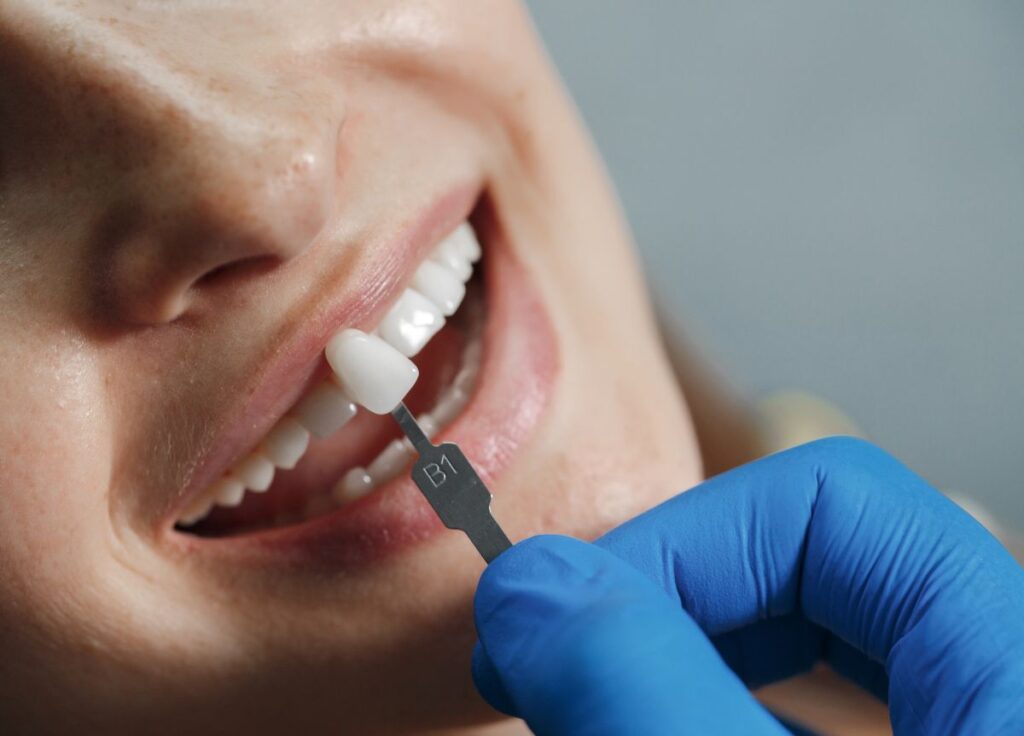
What Are Dental Implants?
A dental implant is a small titanium post that’s surgically placed into the jawbone to act as an artificial tooth root. Once it heals and fuses with the bone, a process called “osseointegration,” a custom-made crown is attached on top, giving you a replacement tooth that looks, feels, and functions like a natural one.
Implants can replace a single tooth or several teeth or support a full arch of teeth when combined with a bridge or denture. Unlike removable dentures, implants are fixed in place, which means no slipping, no adhesives, and no need to remove them at night.
Who typically needs a dental implant?
- Patients missing one or more teeth due to injury, decay, or gum disease
- Patients with loose or ill-fitting dentures
- Patients who want a permanent, low-maintenance replacement option
- Patients with enough healthy jawbone to support the implant (or who are candidates for bone grafting)
Signs You May Be a Good Candidate for Dental Implants
Not sure if implants are the right choice for you? Common signs include:
- You have one or more missing teeth affecting your bite or appearance
- You’re tired of adjusting or replacing removable dentures
- You have a damaged tooth that can’t be saved with a filling or crown
- You have good overall oral health and adequate bone density
- You’re a non-smoker or willing to quit, since smoking can affect healing
- You want a long-term solution rather than repeating treatments every few years
A consultation with a dentist is the only way to know for sure. During this visit, your dentist will evaluate your jawbone, gum health, and medical history to confirm whether implants are a safe and effective option for you.
Benefits of Dental Implants
Dental implants offer several advantages over bridges and dentures:
Oral health benefits
- Implants don’t require altering neighboring healthy teeth, unlike bridges
- They help preserve jawbone density by stimulating the bone the way a natural tooth root does
- They reduce the risk of shifting teeth that often follows tooth loss
Cosmetic benefits
- Implants look and feel like natural teeth
- They restore a full, confident smile
- They support natural facial structure, preventing the sunken appearance sometimes caused by missing teeth
Long-term value
- With proper care, implants can last for decades, often outlasting bridges or dentures
- They require the same care as natural teeth: brushing, flossing, and regular checkups
- Over time, the durability of implants can make them a more cost-effective option compared to repeatedly repairing or replacing other restorations
Patient outcomes: Patients frequently report improved chewing ability, clearer speech, and greater confidence in social and professional settings after receiving implants.
The Dental Implant Treatment Process
Getting a dental implant typically involves several stages spread over a few months. Here’s what to expect:
- Consultation and Exam: Your dentist reviews your oral and medical history and discusses your goals.
- Digital Imaging: X-rays or a 3D scan assess your jawbone structure and plan the exact implant placement.
- Treatment Planning: Your dentist creates a personalized plan, including whether bone grafting is needed first.
- Implant Placement: The titanium post is surgically placed into the jawbone under local anesthesia.
- Healing Period (Osseointegration): Over the next few months, the implant fuses with the jawbone, creating a stable foundation.
- Abutment and Crown Placement: Once healed, a connector piece (abutment) and a custom crown are attached, completing the restoration.
- Follow-Up Care: Your dentist checks healing progress and confirms the fit and function of your new tooth.
Recovery time varies by patient, but most people return to normal activities within a few days of the surgical placement, with full healing of the bone taking two to six months.
What Factors Affect the Cost of Dental Implants?
On average, a single dental implant in the Boston area typically ranges from $3,000 to $6,000, depending on factors like bone health, the type of implant, and whether additional procedures are needed.
There’s no single price for dental implants because the cost depends on several individual factors, including:
- Number of implants needed: A single tooth replacement costs less than replacing multiple teeth or a full arch
- Bone grafting: Patients with insufficient jawbone density may need a grafting procedure first
- Type of restoration: A single crown, bridge, or implant-supported denture will affect overall pricing
- Materials used: The quality of the crown and implant materials can influence cost
- Additional procedures: Extractions, sinus lifts, or gum treatments may be needed before placement
- Insurance coverage: Some dental insurance plans partially cover implants, especially when they’re deemed medically necessary
Because these factors vary so much from patient to patient, the most accurate way to understand your cost is through a personalized consultation and treatment plan.
Why Choose Smiley Dental Boston
Choosing where to get your dental implants matters just as much as choosing the treatment itself. At Smiley Dental Boston, patients benefit from:
- Experienced dentists who take time to explain every step of the process
- Modern imaging technology for precise, predictable implant placement
- Personalized treatment plans based on your specific oral health needs
- A comfortable, patient-first environment for both routine visits and surgical procedures
- Convenient access for patients throughout Boston and Roslindale
- A full range of dental services, so your implant care fits into a broader plan for long-term oral health
Smiley Dental Boston is committed to helping patients make confident, well-informed decisions about treatments like dental implants, dental bridges, and other options for missing teeth.
Are Dental Implants Worth It? The Bottom Line
For most patients dealing with missing teeth, dental implants offer a durable, natural-looking, and long-term solution that can improve both oral health and quality of life. While the upfront investment is higher than some alternatives, the durability and low maintenance of implants often make them a worthwhile choice over time.
The best way to know if implants are worth it for your specific situation is to schedule a consultation. A dentist can evaluate your oral health, discuss your goals, and help you weigh implants against other options like dental bridges or dentures.
If you’re looking for personalized dental care in Boston, schedule an appointment with Smiley Dental Boston to discuss your treatment options.
Frequently Asked Questions
With proper care, dental implants can last for many years or even decades, making them one of the most durable tooth replacement options available.
Most patients report only mild discomfort during recovery, which is typically managed with over-the-counter or prescribed pain relief. The procedure itself is performed under anesthesia.
Your dentist will use digital imaging to evaluate your bone density. If bone loss has occurred, a bone graft may be recommended before implant placement.
Implants are fixed in place and tend to feel more natural than removable dentures, though the right choice depends on your oral health, budget, and personal preference.
Some insurance plans offer partial coverage, especially when implants are considered medically necessary. Our team can help you understand your specific benefits.
The first step is a consultation with a dentist to evaluate your oral health and discuss whether implants are right for you. Contact Smiley Dental Boston to schedule your visit.